System design to kick the shit out of your KPIs
Overview
UX Leadership
Each pattern is a decision that compounds over time. Misalignment and trust both scale with system choices.
Effective design provides clarity. Systems reduce friction, enabling teams to focus on priorities. Design systems convert ambiguity into predictable outcomes.
Robust systems operate in the background. They deliver rhythm, predictability, and workflow consistency without distraction.
Philosophy
Good Design
Effective design is clarity, not control. Systems remove friction, allowing teams to focus on core objectives. Design systems replace confusion with confidence.
Each pattern is a decision that compounds. Both misalignment and trust scale with system adoption.
Strong systems operate quietly. They provide rhythm, predictability, and consistent flow across teams.
Systems ≥ Style
Design is not subjective. It balances speed with consistency. Usability depends on structured systems, not just creativity. Most teams fail due to misalignment, not lack of design skill. Systems address this by making process visible and translating intent into repeatable patterns and trust.
A scalable system adapts to team behavior, tools, and evolving requirements. Design systems are not static libraries. They are operational agreements that enable teams to move quickly without sacrificing reliability. When systems are stable, creativity scales.
Frameworks
Building modular systems that turn design clarity into measurable trust, alignment, and scalable growth.
SaaS
EdTech
FinTech
HealthTech
Cloud
Data Systems
Startups
AI / Machine Learning
Nonprofit SaaS
Enterprise Ops
Each framework I build is designed for scalability and measurement. It aligns team thinking, streamlines workflows, and standardizes decision-making.
The behavioral layer links user patterns, product objectives, and team actions.
The system layer establishes structure to make creative output repeatable while maintaining delivery speed.
The measurement layer closes the loop. It converts intuition into evidence and activity into measurable progress. These layers replace opinion with clarity and translate effort into results.
Predictive UX. Scalable DesignOps.
Predictive UX Systems Audit
Design isn’t lagging. Your system is.
✓
10-page UX system report
✓
Behavioral opportunity map
✓
1:1 exec debrief
Case Study

How we used behavioral signals to cut workflow waste by 31% and predict donor behavior at scale.
Modular DesignOps Build-Out
System design isn’t a kit. It’s infrastructure.
✓
DesignOps taxonomy
✓
Scalable system framework integration
✓
Component adoption playbook
Case Study

When UX is the System →
How we built a design system that cut dev time by 65% and scaled across product lines.
Accessibility Infrastructure Overhaul
Inclusion isn’t UI. It’s infrastructure.
✓
UX audit + remediation plan
✓
A11y-ready UI components
✓
Compliance coverage
Case Study

How we scaled accessible systems for 25M+ students—without breaking experience.
Automated UX Forecast Sprint
If your UX can’t predict behavior, it can’t lead it.
✓
UX forecast map
✓
Behavioral integration points
✓
Clickable prototype or user flow
Case Study

How AI and UX infra came together to anticipate support needs before tickets were submitted.
Process
Operational Design Systems
Building a Scalable Design Practice
Each phase connects design to measurable business outcomes—turning intuition into infrastructure.
Discovery and Definition
Every project starts with clarity. Discovery defines what’s valuable before anything becomes visual. I translate behavior, goals, and context into early alignment so design decisions have purpose.
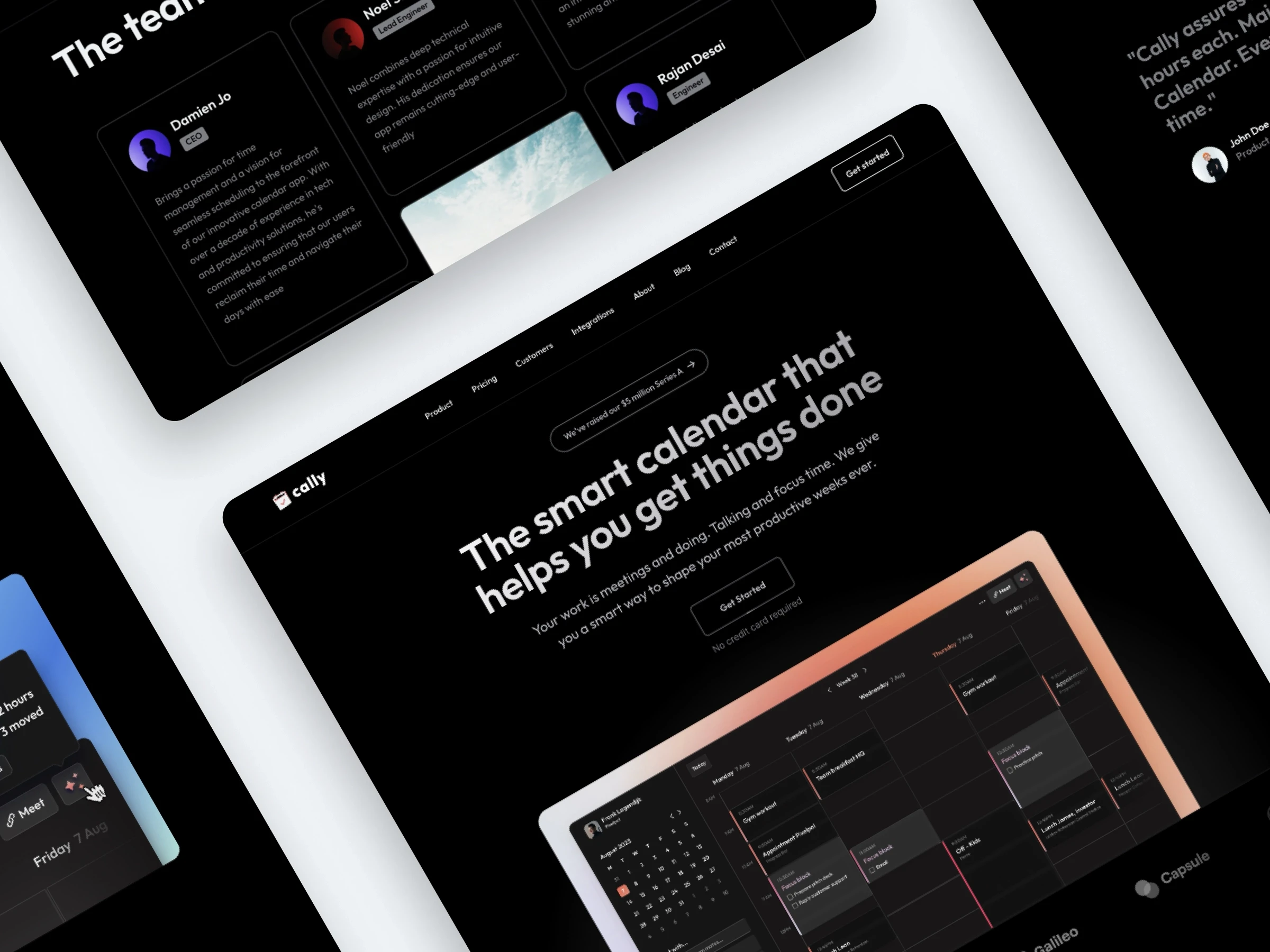
Outcome: A shared understanding of success before a single pixel moves.
System Design Architecture
This is where creativity turns into structure. I design lightweight workflows, reusable patterns, and developer-ready systems that make design usable and repeatable at scale.
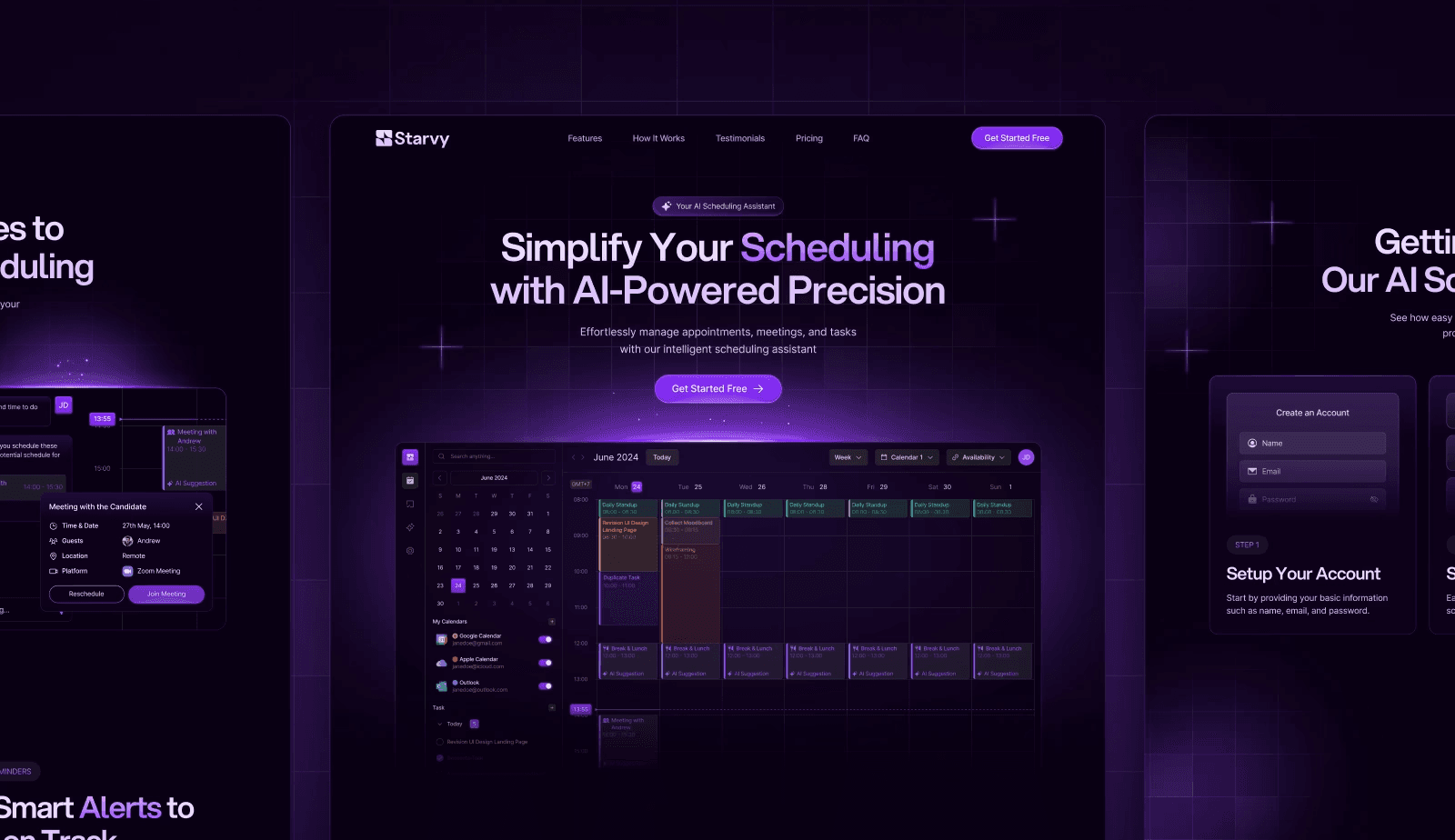
Outcome: Modular systems, faster delivery, and fewer unknowns.
Collaboration Layer
Design only works when everyone’s part of it. I build alignment between design, product, and engineering through clear communication, shared tools, and consistent review rhythms.
Outcome: Higher trust, faster iteration, and better cross-team flow.
Validation & Measurement
Design proves its value when it’s measurable. I track friction, flow, and behavioral impact to show where design improves performance and reduces waste.
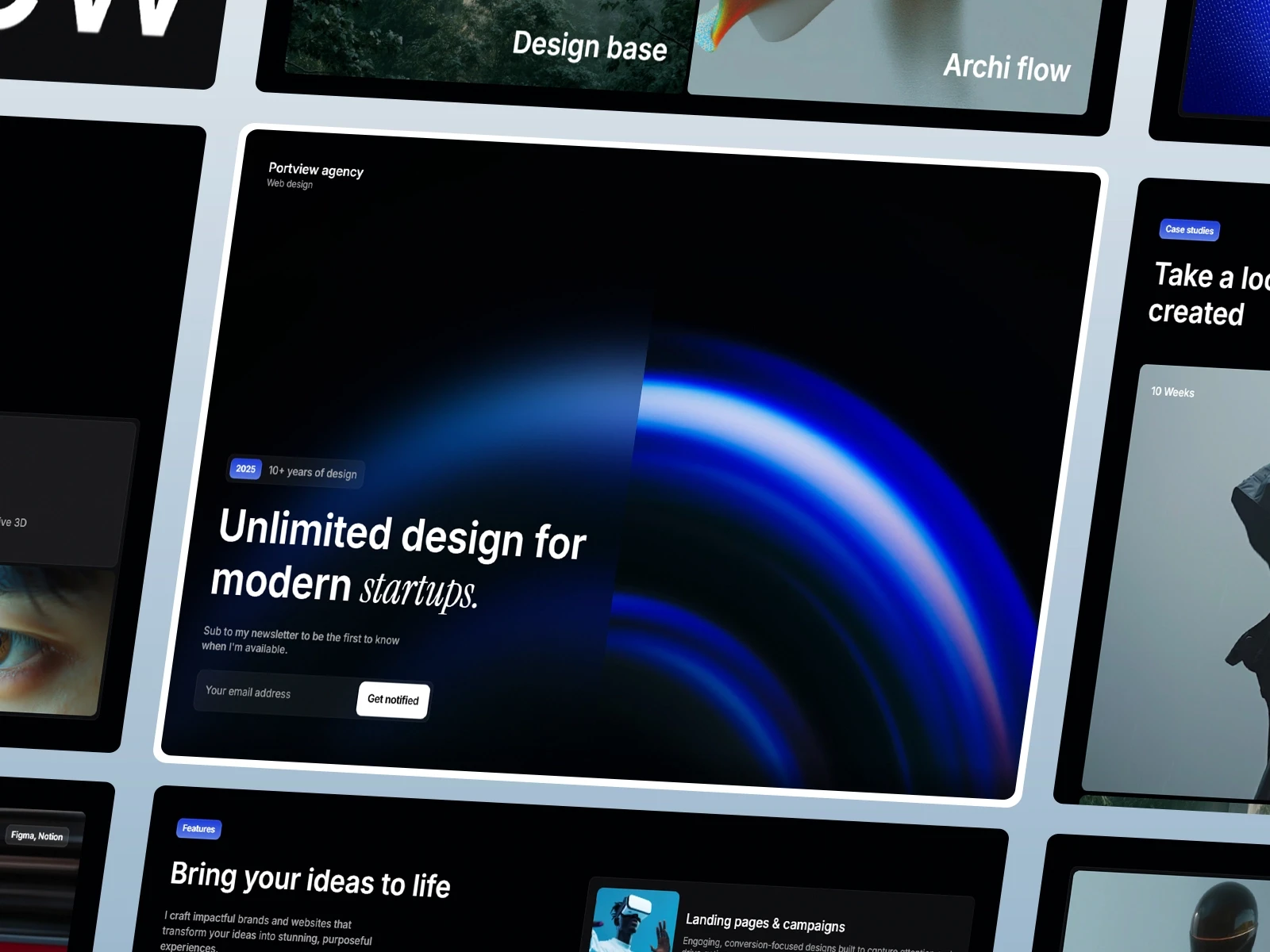
Outcome: Evidence-driven insights that demonstrate ROI and influence decisions.
Scale and Evolution
Once systems are running, I refine and adapt them. Continuous reviews, feedback loops, and improvement cycles keep design stable as the product grows.
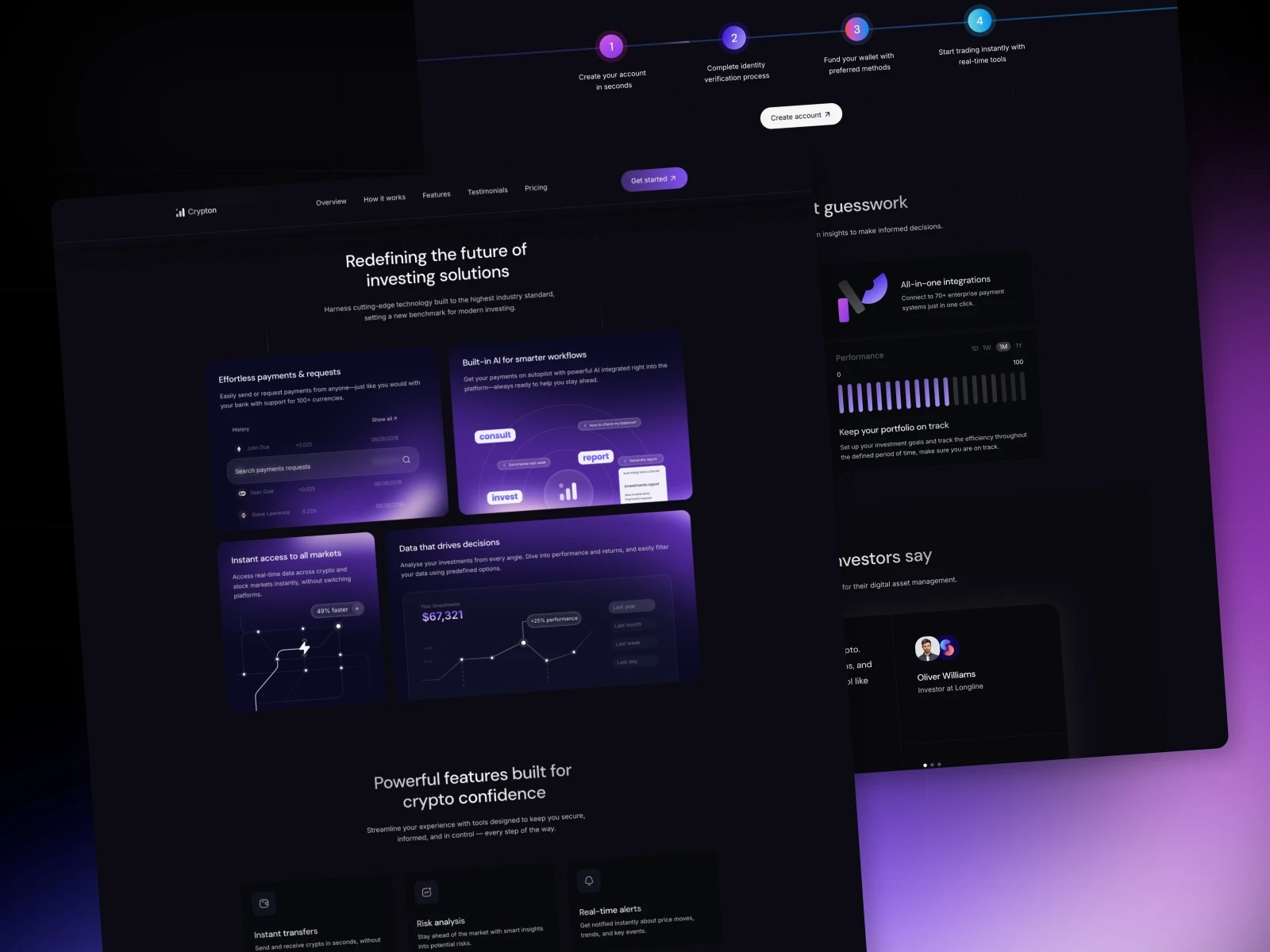
Outcome: A resilient design infrastructure that scales with maturity.
Measured Impact
This layer captures the payoff. Data, outcomes, and human insight come together to show the real value of design clarity across the business.
Outcome: Measurable impact, reduced design debt, and lasting organizational alignment.
Define what good design means for your stage. Align roles, priorities, and early deliverables to prevent waste before hiring or scaling.
Outcome: Shared clarity and a focused roadmap.
Create simple workflows, reusable templates, and intake systems that match team velocity. Focus on function, not ceremony.
Outcome: Faster cycles, less friction, and clear ownership.
Track the relationship between design effort and product outcomes. Prove efficiency with metrics that matter to business and engineering.
Outcome: Quantified impact that earns executive trust.
Connect design to technical delivery. Build guardrails that reduce rework, improve predictability, and keep teams moving together.
Outcome: Fewer redesigns and smoother releases.
Design scalable structures that evolve as you grow. Keep components flexible, purposeful, and easy to maintain across teams.
Outcome: Sustainable systems that extend product life.
Refine processes as the team matures. Adjust frameworks, roles, and rituals to match growth, without losing the simplicity that built them.
Outcome: Long-term scalability and healthy team rhythm.
Predictive UX Modeling
Scalable DesignOps
A11y Compliance
Behavioral Mapping
Workflow Optimization
AI Forecast Layers
WCAG 2.1 Compliance
Design System Core Infra
DesignOps Taxonomy
Figma Architecture
System Dashboards
Reporting Suite
UX Audit Frameworks
Reusable Tokens
Friction Mapping
Trust Flow Design
A11y Remediation
Behavioral Prototypes
Automation Touchpoints
Core Accessibility
Cross-Team Adoption
Design System Ops
Opportunity Mapping
Signal-Based Prioritization
Enterprise Readiness Layers
Forecast Flows
Forecast Maps
Onboarding System
A11y-Native Blocks
Localization Strategy
Design earns its seat at the table when it’s measurable. The UX ROI Model tracks how design translates into operational and financial impact—connecting UX effort, delivery velocity, and product outcomes.
Example: Reduced design debt by 40%, saving over two sprints per quarter.
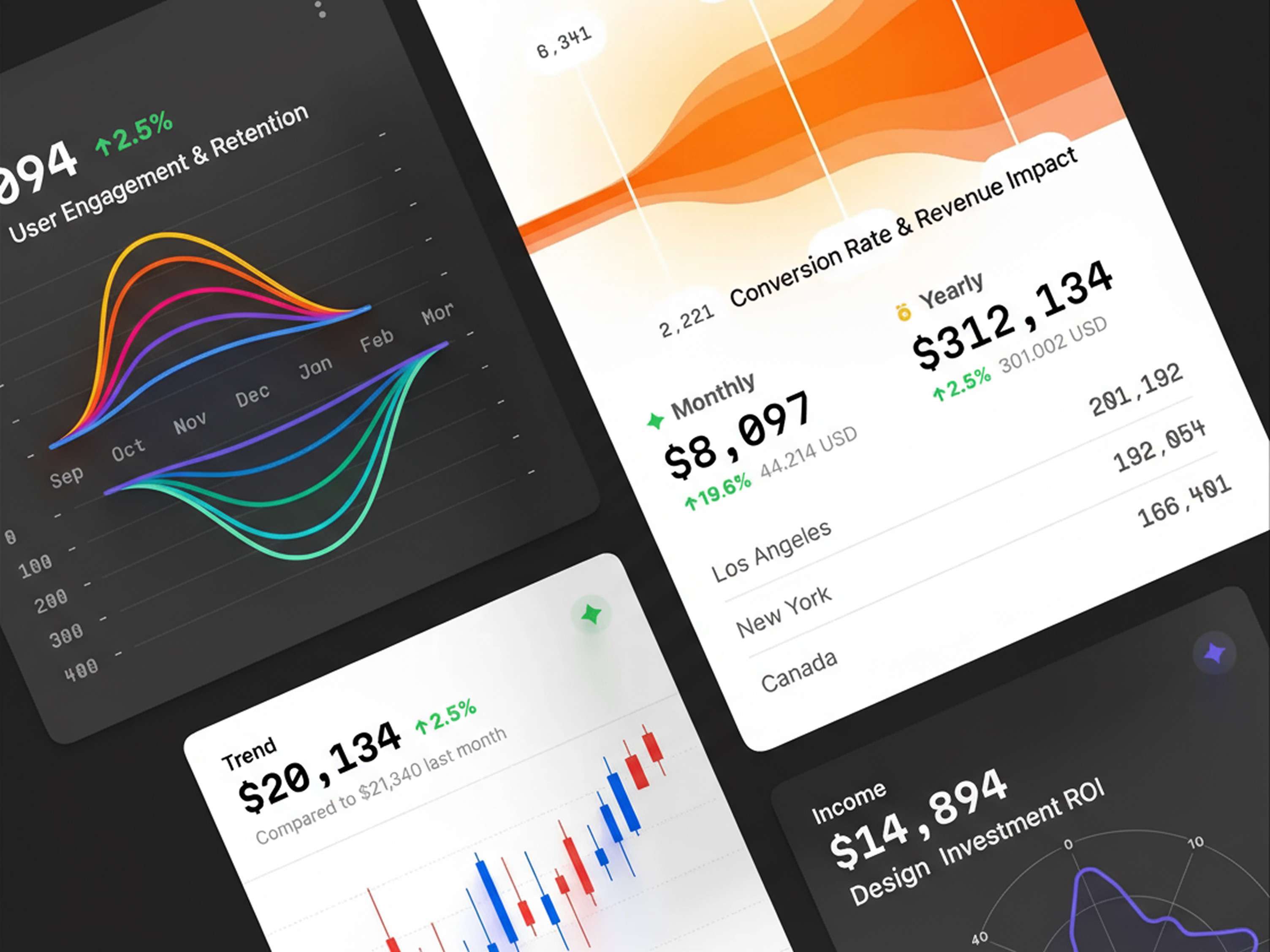
Outcome: Executive visibility into how design drives measurable ROI, efficiency, and alignment across teams.
Velocity measures how smoothly design moves through the system. It identifies friction in handoffs, rework, and reuse to expose where time and trust are lost.
Example: 31% reduction in workflow waste through improved flow efficiency.
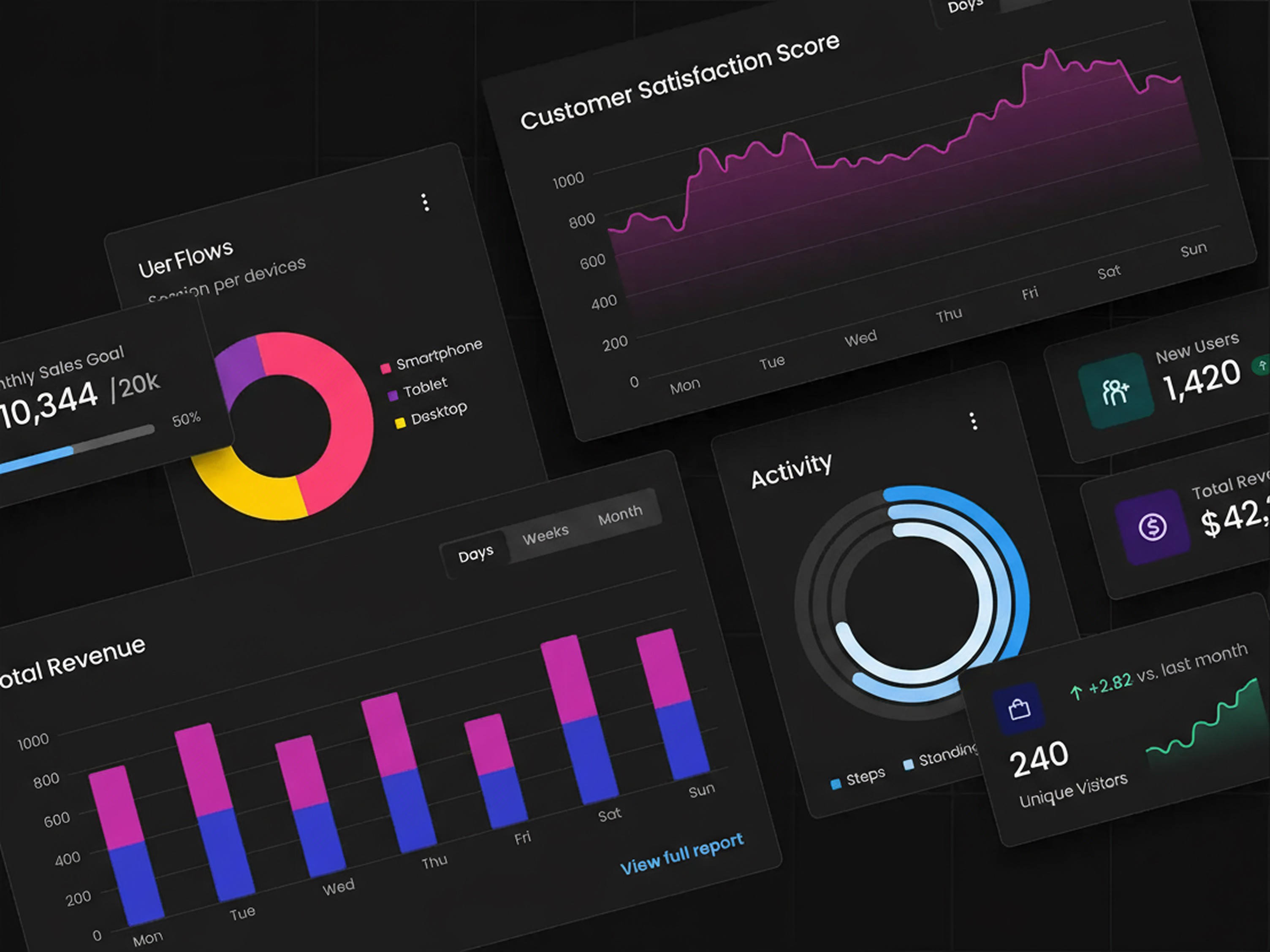
Outcome: Predictable delivery, scalable workflows, and clear capacity planning.
The Predictive Metrics Loop forecasts usability issues before launch by blending telemetry with UX behavior data. It transforms hindsight into foresight—catching drop-offs before they happen.
Example: Prevented post-release rework by identifying friction points pre-launch.
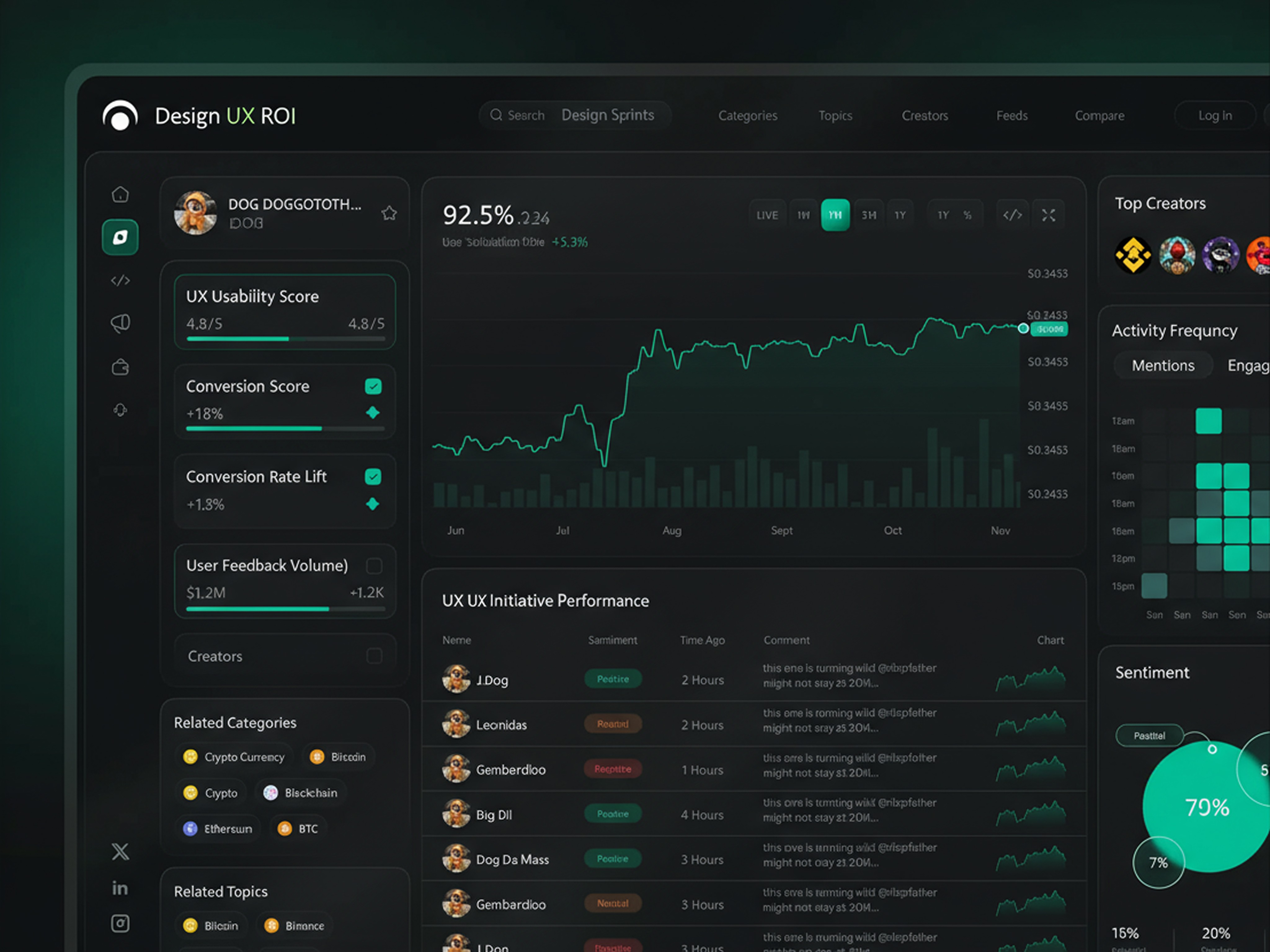
Outcome: Proactive design validation and faster optimization cycles.
Valued across platforms: GoFundMe, Clever, Human Interest.
Donations raised. Early UX at GoFundMe Charity. Giving at scale.
Revenue growth from redesigned core UX— Clarity scales.
Users served. Scaled secure login and onboarding for K–12.
Industries served include finance, education, retail, healthcare.
Creating impact through bold results and lasting collaborations
DesignOps Playbook
Where insight becomes execution

→
→
Workflow Efficiency
Design Velocity
Predictable Delivery
Operational Clarity
Reduced Rework

→
→
Cross-Team Alignment
Faster Feedback
Measurable Trust
Delivery Forecasting
→
→
System Integrity
A11y Compliance
Quality Governance
Scalable Standards
Risk Reduction
→
→
Continuous Optimization
Reduced Rework
Design Cost Savings
Measurable Impact
Process Maturity

→
→
Operational Clarity
Scalable Systems
Unified Workflow
Workflow Efficiency
Cross-Org Integration
→
→