Alignment
UX Leadership
Design leadership is system work. You read the patterns, fix the friction, and build the structure that keeps teams steady. Pixels are the last step. Process is the first. The real question is not how something looks, it is whether the work can scale without drifting.
Leadership is alignment. Design with product. Product with engineering. Everyone moving with the same intent. When design functions as infrastructure, the noise drops. Delivery settles. Teams gain speed. Founders see predictable impact. Users feel the consistency. The trust becomes visible in the product.
Why UX Needs Leadership at All
UX leadership is not a creative role. It is an operational one. The job is to make product decisions predictable and to build the structure that keeps teams from drifting. Good design only shows up when the environment allows it. Most teams do not have that environment. That is why leadership exists.
Teams break down in the same places. Unclear priorities. Inconsistent patterns. Handoff gaps. Redesign cycles that eat entire sprints. Engineering building components that never match design. Designers polishing screens that do not align with roadmap reality. None of this is solved with taste. All of it is solved with structure.
Leadership begins with pattern recognition. You walk into a system and read how people work. You listen for friction. You watch where decisions slow down. You identify what is predictable and what is guesswork. You map the points where one function assumes the other will figure it out. Those assumptions are where teams bleed time and trust.
The first job of a design leader is to replace assumption with clarity. Clear ownership. Clear guardrails. Clear definition of good. Not abstract philosophy. Not visual direction. Operational clarity. People do better work when expectations are not fluid.
Leadership is also constraint. Not the kind that limits creativity. The kind that protects it. Designers do not need more freedom. They need fewer variables. Engineers do not need more autonomy. They need consistent rules. Product does not need more roadmaps. They need a shared understanding of what a complete design decision looks like before it reaches them.
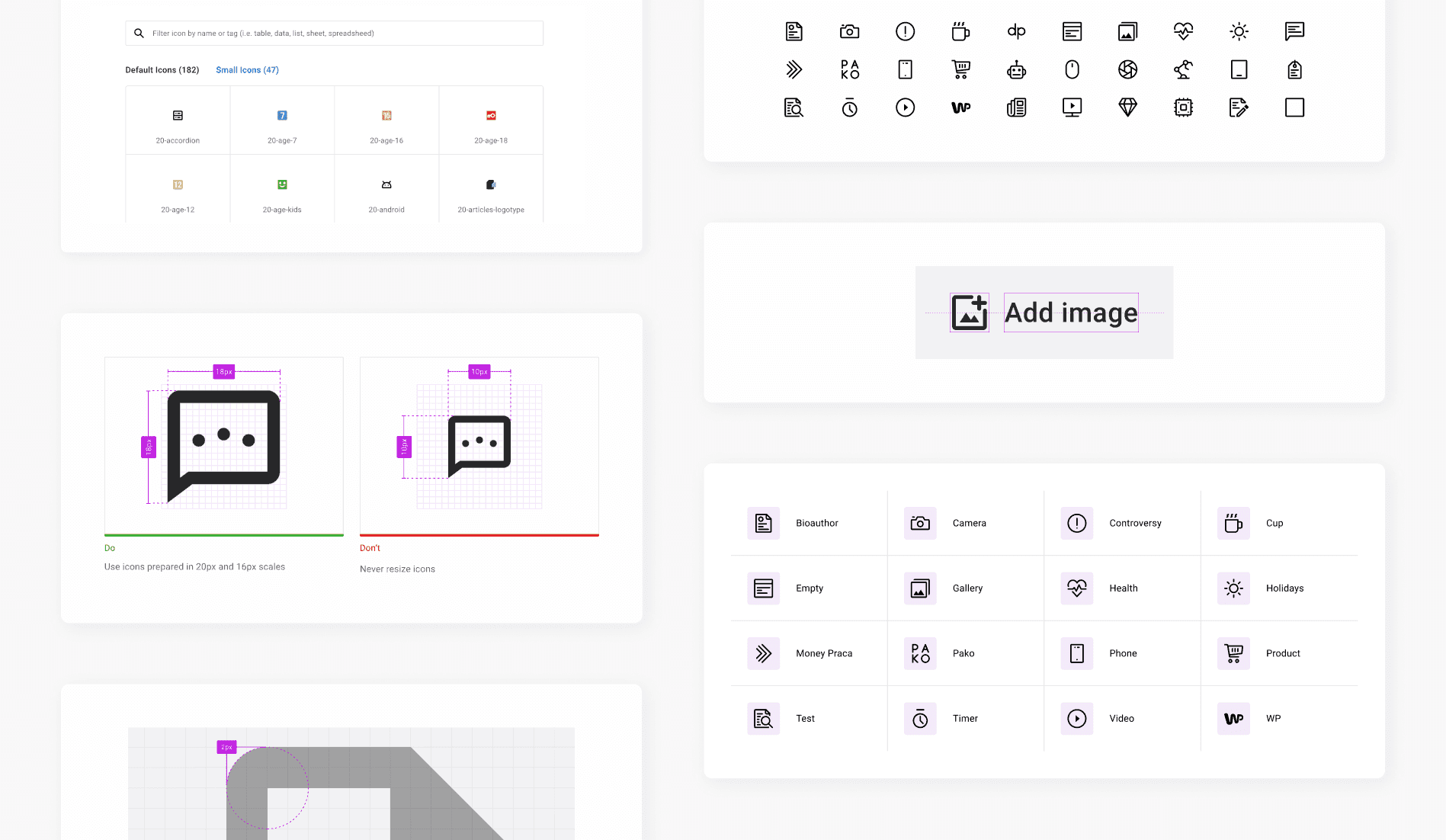
A system gives you that. Not a style guide. A system. Patterns. Usage rules. Standards that explain why something exists and when it should be used. A vocabulary the entire company can speak. When a system is healthy, decisions accelerate because people are not recreating the logic every time they touch a screen.
Leadership is maintenance. Teams change. Tools change. Roadmaps change. A design leader keeps the system adaptive without letting it become an open field. You listen for what is breaking. You look at support volume. You watch for signals in user behavior. You read the patterns in engineering rework. You evolve the system in response to evidence, not preference.
Measurement is not optional. You have to know where the system is costing the team. Velocity tells you how clean your handoffs are. Reuse tells you how consistent your components are. Rework tells you where the system is unclear. Support trends tell you what users cannot understand on their own. Leadership turns these signals into decisions.
Design leadership is not about solving every problem personally. It is about creating the conditions where fewer problems appear. You hire people who can think with the system, not around it. You teach teams how to make choices that scale. You make it possible for product, engineering, and design to work as one rhythm instead of three separate groups competing for influence.
The work has a calm to it when it is done right. Meetings get shorter. Handoffs feel clean. Planning feels realistic. The team is not second-guessing every decision. They trust the process because the process holds. That trust becomes visible in the product. You can see it in the consistency of patterns. You can see it in user behavior. You can see it in how little work needs to be redone.
Leadership is not a title. It is stewardship of the system. You carry the responsibility of making sure the structure is sound, the expectations are clear, and the work is stable enough for people to focus on the actual problems. You are not there to impress anyone. You are there to remove friction. You are there to keep the direction steady.
UX leadership is the quiet part of product development. When it is done well, nobody notices it. They notice the absence of chaos. They notice the ease of collaboration. They notice the product moving faster without feeling rushed. That is the actual impact. Not the visuals. Not the polish. The stability underneath the work.
This is what the job is.
Pattern recognition
Operational clarity
Systems that scale
Teams that move because the structure supports them.




A better system makes everyone’s day less stupid. Clarity pays for itself.
© 2026 StudioXDS. All rights reserved.