Structure

Systems ≥ Style

Systems make design predictable. They give teams a stable foundation so decisions stay consistent across the product. A system reduces the number of choices people have to make, keeps patterns aligned, and turns design into something the entire organization can rely on. When the system holds, the work becomes faster because fewer decisions have to be reinvented.

A good system is not rigid or ornamental. It adapts when the product evolves and stays anchored when teams feel pressure to move fast. Its value shows up in reuse, in engineering velocity, and in how little ambiguity teams run into. Systems reduce risk, prevent drift, and keep the product coherent as it scales.

Why Systems Matter More Than Style

Style changes. Teams change. Roadmaps change. A product built on visual preference drifts the moment conditions shift. A product built on a system stays stable because the logic does not move. This is why systems sit above style. They create the structure that makes every downstream decision easier, faster, and more predictable.

A system is a set of agreements. How components behave. How patterns scale. How rules apply across contexts. These agreements remove guesswork. Without them, designers rely on intuition, engineers improvise, and product managers negotiate alignment after the work has already begun. With them, decisions have a place to live and to repeat.
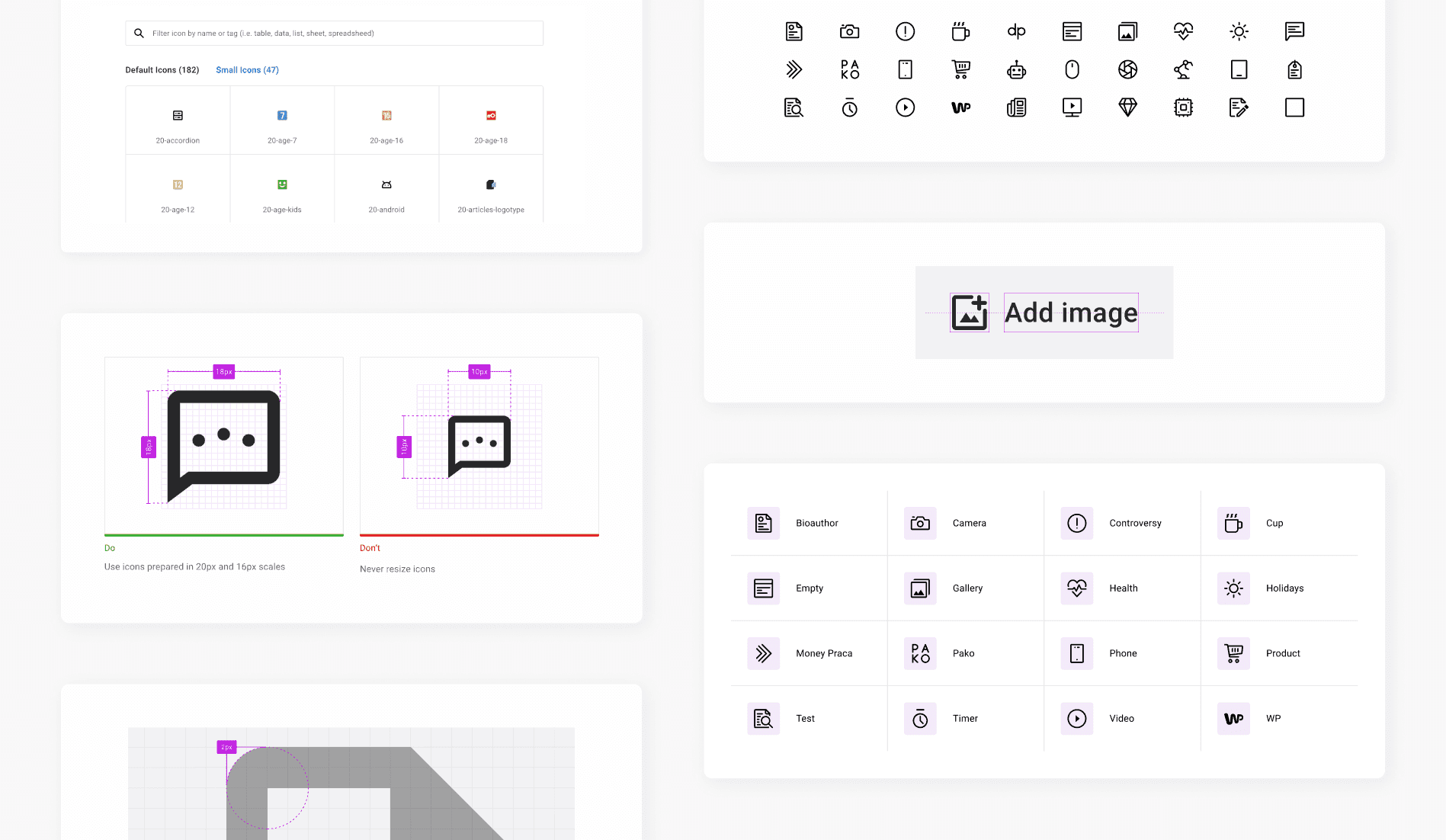
Systems reduce ambiguity. Constraints narrow the field so teams can focus on what matters. They guide choices instead of restricting creativity. A clear system keeps attention on the real problems and eliminates the noise that drains momentum.

The strength of a system shows up in the rhythm of the work. Reviews stay focused, engineering doesn’t have to rebuild components, and product encounters fewer surprises. The system becomes a multiplier because each decision compounds instead of scattering into exceptions.

You build a system to protect creativity, not limit it. When core decisions are already made, designers can think deeper. Engineers can ship without hesitation. Product can plan with more accuracy. The structure frees teams to solve harder problems without losing consistency.

A system only works when it is measured. Reuse shows whether patterns hold. Drift shows where rules are ignored. Rework exposes gaps. These signals tell you where the system needs reinforcement. A system evolves through evidence, not preference.

The goal is stability that supports scale. A stable system prevents fragmentation, reduces friction across roles, and gives the product a shape the team can trust. When the foundation is strong, the product grows without breaking itself. Good systems outlast style because they carry the weight of the product and make growth possible.

Foundational Principles

Where insight becomes execution

Leadership sets direction, removes friction, and keeps teams aligned so decisions stay predictable.

Outcome: Teams move without drift.

Clarity

Alignment

Direction

Trust

A shared philosophy gives teams a way to think, not guess. It creates intent behind every decision.

Outcome: Less debate.

Principles

Logic

Intent

Structure

Good design removes effort for the user and uncertainty for the team. Nothing more.

Outcome: Clearer flows.

Usability

Clarity

Predictability

Quality

Systems keep decisions stable across surfaces. Style only matters when the structure holds.

Outcome: Predictable delivery.

Patterns

Standards

Scale

Consistency

DesignOps removes noise and defines how work moves from idea to build without chaos.

Outcome: Faster cycles.

Workflow

Efficiency

Process

Quality

Frameworks give teams repeatable logic for decisions so the product scales without reinventing itself.

Outcome: Cleaner choices.

Behavioral Insight

System Logic

Measurement

Structure

Foundational Principles

Where insight becomes execution

Leadership sets direction, removes friction, and keeps teams aligned so decisions stay predictable.

Outcome: Teams move without drift.

Clarity

Alignment

Direction

Trust

A shared philosophy gives teams a way to think, not guess. It creates intent behind every decision.

Outcome: Less debate.

Principles

Logic

Intent

Structure

Good design removes effort for the user and uncertainty for the team. Nothing more.

Outcome: Clearer flows.

Usability

Clarity

Predictability

Quality

Systems keep decisions stable across surfaces. Style only matters when the structure holds.

Outcome: Predictable delivery.

Patterns

Standards

Scale

Consistency

DesignOps removes noise and defines how work moves from idea to build without chaos.

Outcome: Faster cycles.

Workflow

Efficiency

Process

Quality

Frameworks give teams repeatable logic for decisions so the product scales without reinventing itself.

Outcome: Cleaner choices.

Behavioral Insight

System Logic

Measurement

Structure

Foundational Principles

Where insight becomes execution

Leadership sets direction, removes friction, and keeps teams aligned so decisions stay predictable.

Outcome: Teams move without drift.

Clarity

Alignment

Direction

Trust

A shared philosophy gives teams a way to think, not guess. It creates intent behind every decision.

Outcome: Less debate.

Principles

Logic

Intent

Structure

Good design removes effort for the user and uncertainty for the team. Nothing more.

Outcome: Clearer flows.

Usability

Clarity

Predictability

Quality

Systems keep decisions stable across surfaces. Style only matters when the structure holds.

Outcome: Predictable delivery.

Patterns

Standards

Scale

Consistency

DesignOps removes noise and defines how work moves from idea to build without chaos.

Outcome: Faster cycles.

Workflow

Efficiency

Process

Quality

Frameworks give teams repeatable logic for decisions so the product scales without reinventing itself.

Outcome: Cleaner choices.

Behavioral Insight

System Logic

Measurement

Structure

A better system makes everyone’s day less stupid. Clarity pays for itself.