Execution
DesignOps
DesignOps exists to make design predictable. It defines how work moves, how teams collaborate, and how decisions become real. When the flow is clear, design supports delivery instead of slowing it down. When the flow is unclear, teams fill gaps with assumptions, and the product pays for it later.
A good DesignOps practice stays simple. It sets the minimum structure needed for consistent work, removes the steps that don’t matter, and reinforces the ones that do. The value shows up in cleaner handoffs, fewer surprises, and a product that ships without unnecessary friction.

How DesignOps Turns Creativity Into Delivery
DesignOps is not ceremony. It is the operational spine that keeps design, product, and engineering moving in the same direction. Without it, work becomes reactive. Designers chase clarity, engineers compensate for ambiguity, and product carries the weight of aligning teams after the fact. With it, the work follows a stable path that everyone understands.
The job of DesignOps is to remove friction. Intake should be clear. Requirements should be stable. Reviews should be focused. Handoffs should be predictable. When these pieces line up, design becomes easier to execute and easier to trust. The process stops feeling like overhead because it actually supports velocity.
DesignOps sets boundaries that protect the work. It defines levels of detail, usage rules, and the criteria that determine when something is ready to move forward. These constraints create confidence. They eliminate guesswork and keep teams aligned around consistent expectations. The goal is not control. The goal is clarity that scales.

A strong DesignOps layer also reduces unnecessary variation. You do not need five ways to solve the same problem. You need one solution executed consistently. Reuse is not a design preference. It is operational efficiency. It keeps engineering from rebuilding patterns and keeps designers from solving the same problem twice. Reuse saves hours now and sprints later.
DesignOps makes cross-functional work cleaner. Product knows what to expect. Engineering can plan around predictable patterns. Design reviews shift from debating preference to validating alignment. Communication improves because everyone is speaking the same design language. The work feels calmer because there are fewer surprises.
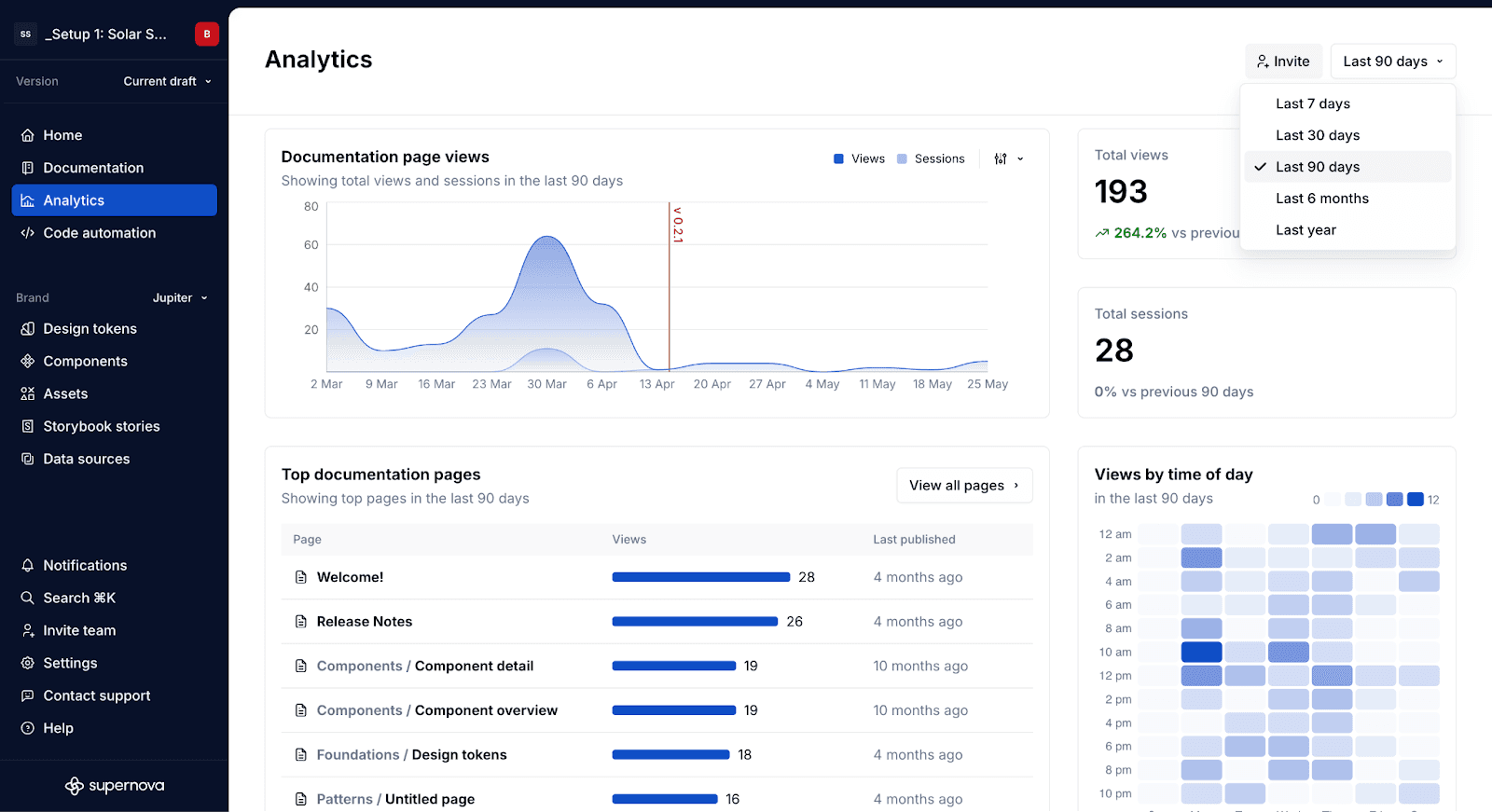
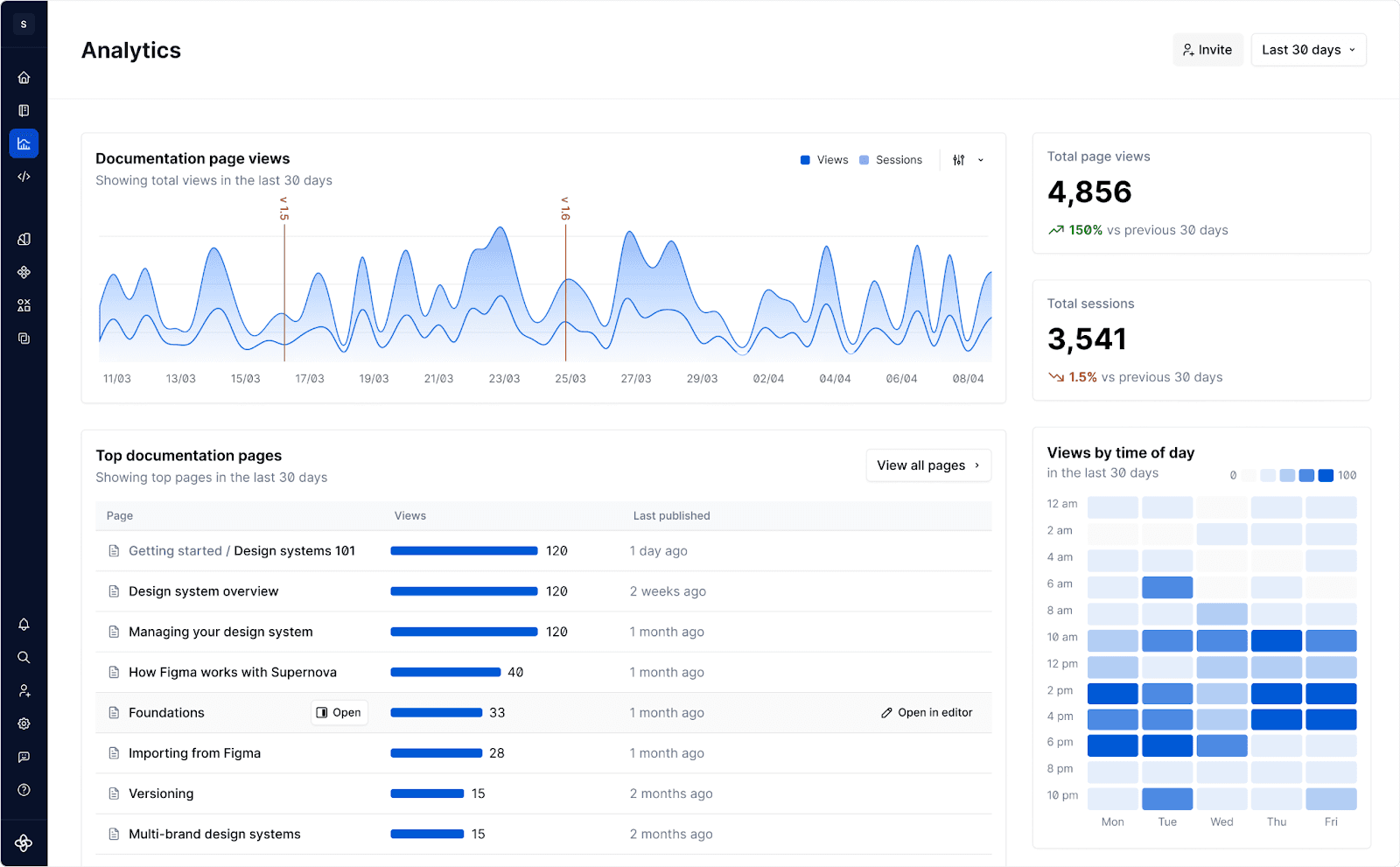
Measurement keeps everything accountable. Velocity shows whether the process is working. Rework reveals gaps in clarity. Support patterns show where users are struggling. These signals shape what gets refined next. DesignOps is not fixed. It evolves with the product. The adjustments come from evidence, not preference.
DesignOps succeeds when the work moves without disruption. Teams know what “ready” means. They know where to find answers. They understand the options and constraints. The process becomes a supporting structure instead of a hurdle. When this happens, design becomes easier to scale and easier to integrate into the rest of the organization.
The function of DesignOps is stability. It prevents drift, reduces avoidable work, and keeps the entire product effort grounded in repeatable decisions. With a strong operational backbone, design stops being a wildcard and becomes a reliable part of how the company builds.





A better system makes everyone’s day less stupid. Clarity pays for itself.
© 2026 StudioXDS. All rights reserved.