Standards
Good Design
Good design is clarity applied with discipline. It reduces effort for the user and removes ambiguity for the team. A good product feels simple because the underlying decisions are consistent, intentional, and rooted in structure. That is the work. Not polish. Not taste. Clarity that holds under scale.
Good design stays strong because the system behind it is strong. Patterns behave the same way. Rules stay clear. Constraints focus decisions instead of complicating them. When the structure holds, the product becomes easier to build, easier to maintain, and easier for users to understand.
What Good Design Actually Delivers
Good design is not aesthetic. It is not taste or polish. It is the reduction of effort for the user and the reduction of ambiguity for the team. When both conditions hold, the product becomes easier to use and easier to build. When they do not, design becomes expensive and unstable.
Good design starts with constraints. You decide what the product must support, what it cannot support, and what rules protect the system as it grows. Without constraints, teams invent their own logic and the product fractures. With constraints, design decisions stay focused and consistent.
The effectiveness of design shows up in behavioral clarity. Users should know what to do without thinking. They should not interpret, search, or guess. If the path is clear, they move. If it is not, they hesitate. Teams feel that hesitation through support tickets, drop-offs, and rework. Clarity is not a visual quality. It is the outcome of decisions that respect how people actually behave.
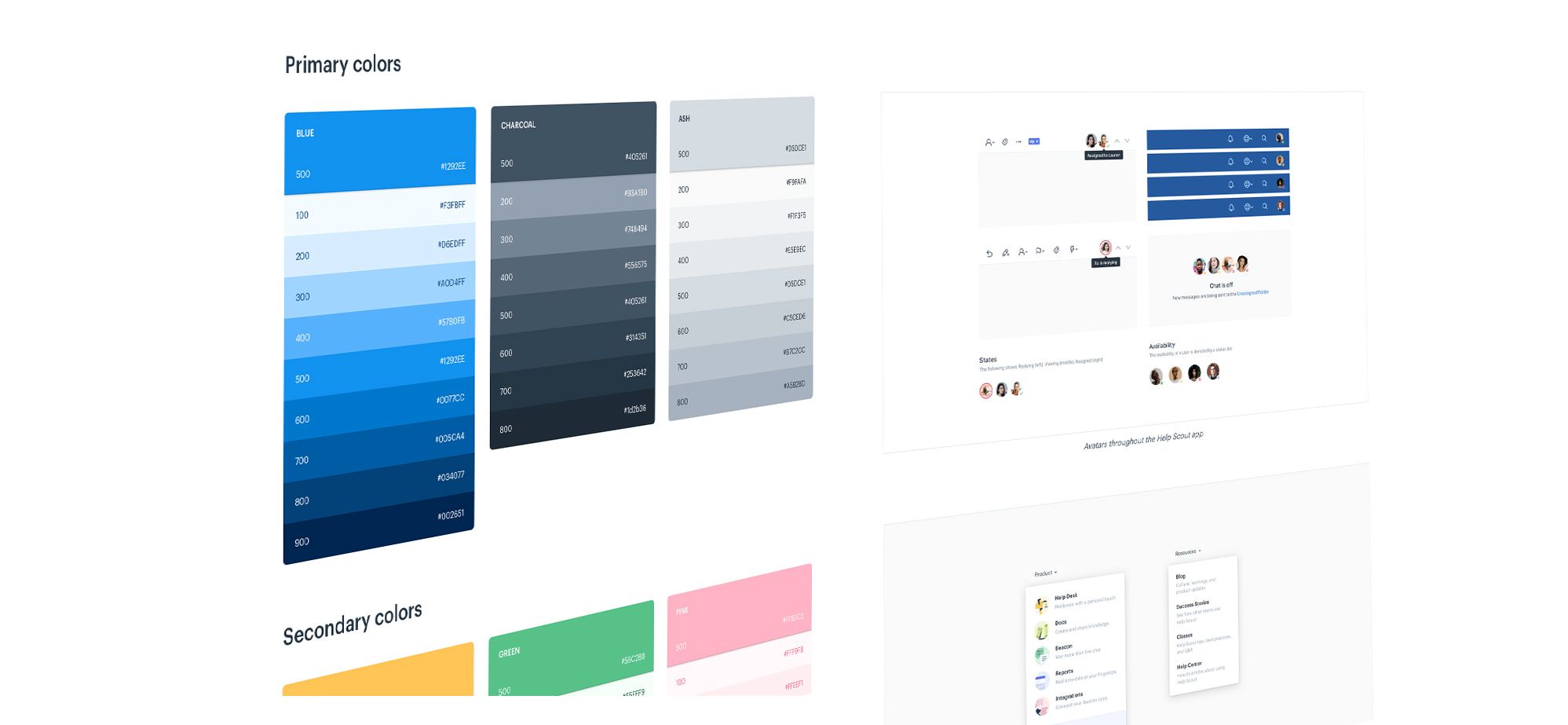
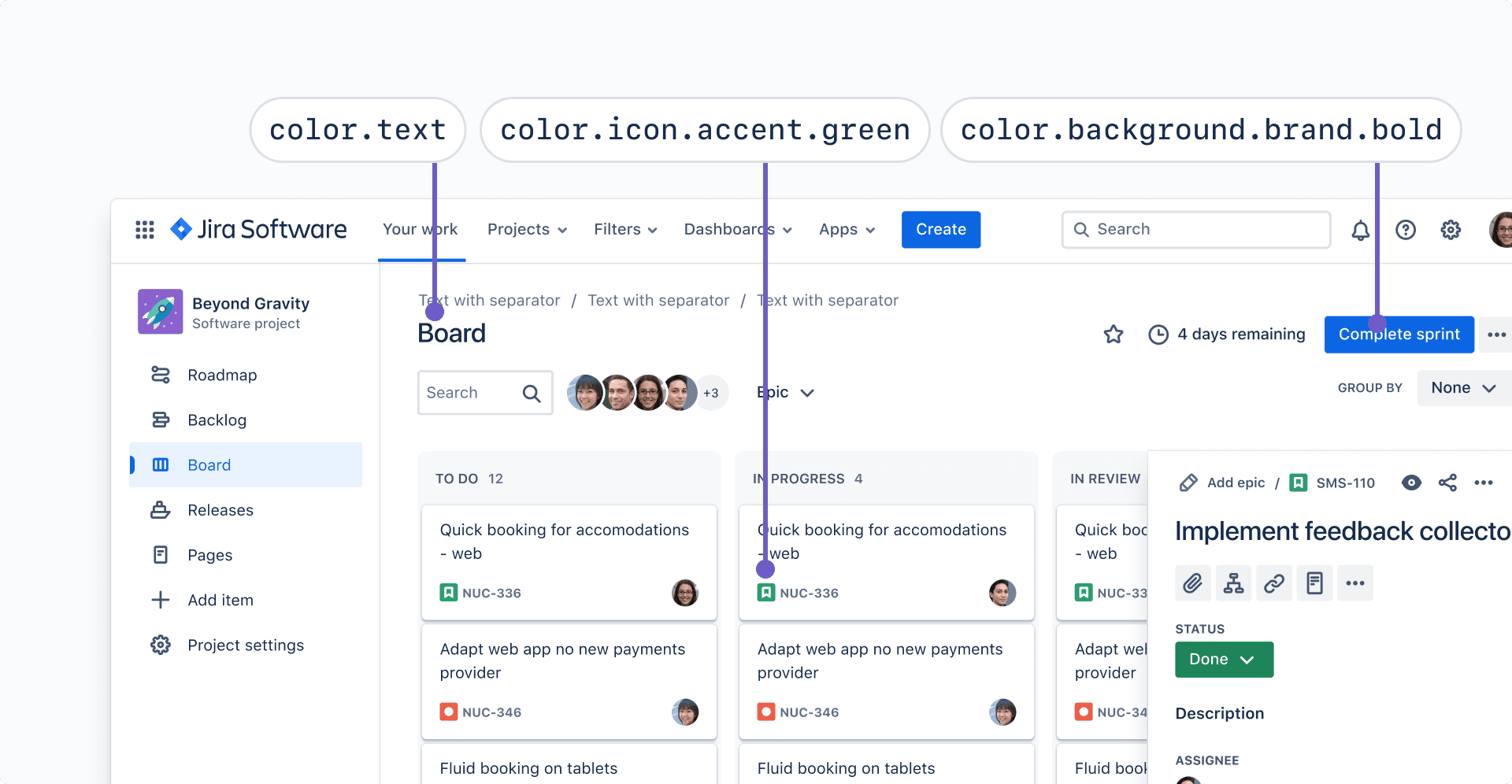
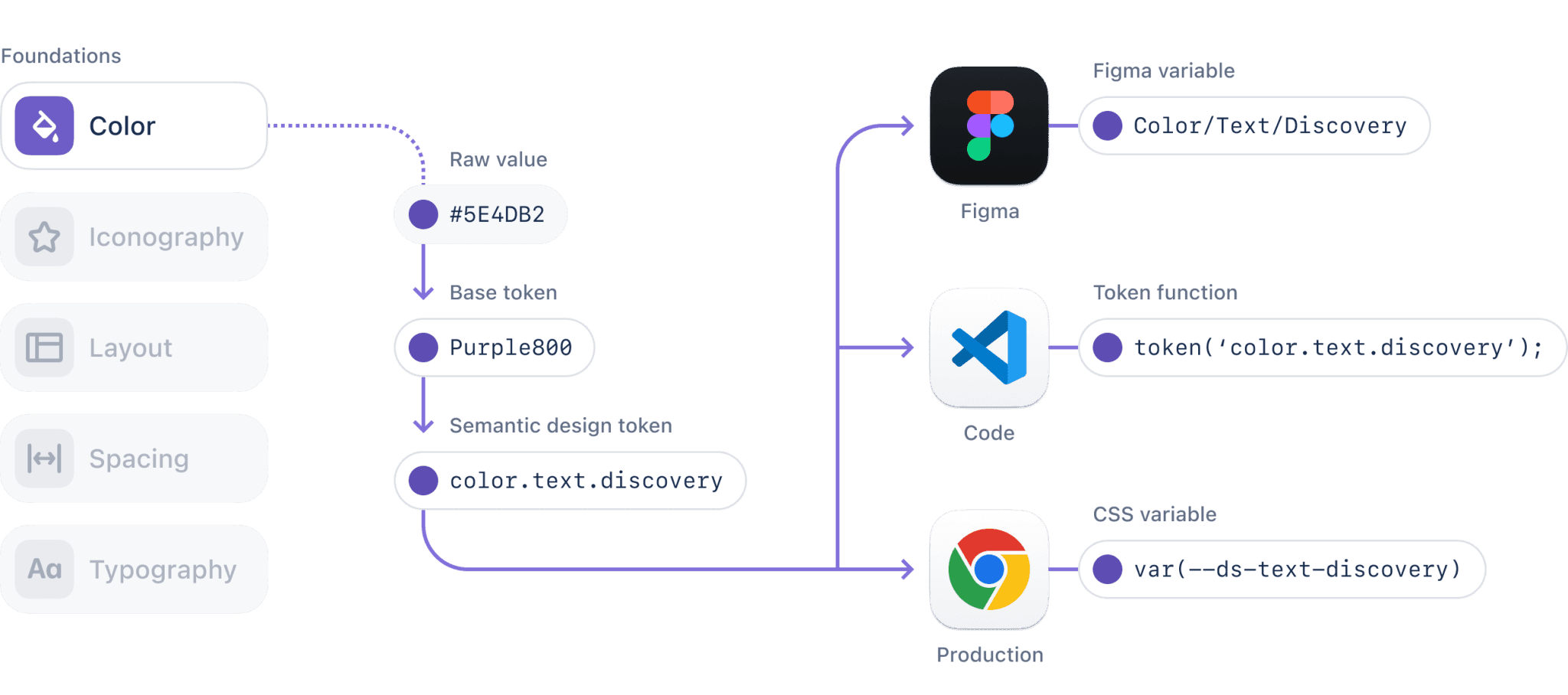

Good design also shows up in operational predictability. Engineering should not have to reinterpret intentions or rebuild components to work around inconsistencies. Product should not have to negotiate alignment after development starts. Review cycles should not turn into debates about personal preference. A healthy design system prevents all of this by turning decisions into repeatable patterns.
The real value of good design is how it compounds. Every clean pattern reinforces the next one. Every clear rule removes the need for another decision. Every predictable behavior cuts friction for both the user and the team. Over time, the product becomes easier to extend because the underlying logic holds together.
Research is not the driver of good design. It is a tool—for risk, not inspiration. You validate when uncertainty could impact revenue or operational stability. You skip when the answer is already known. The value is in clarity, not ceremony.
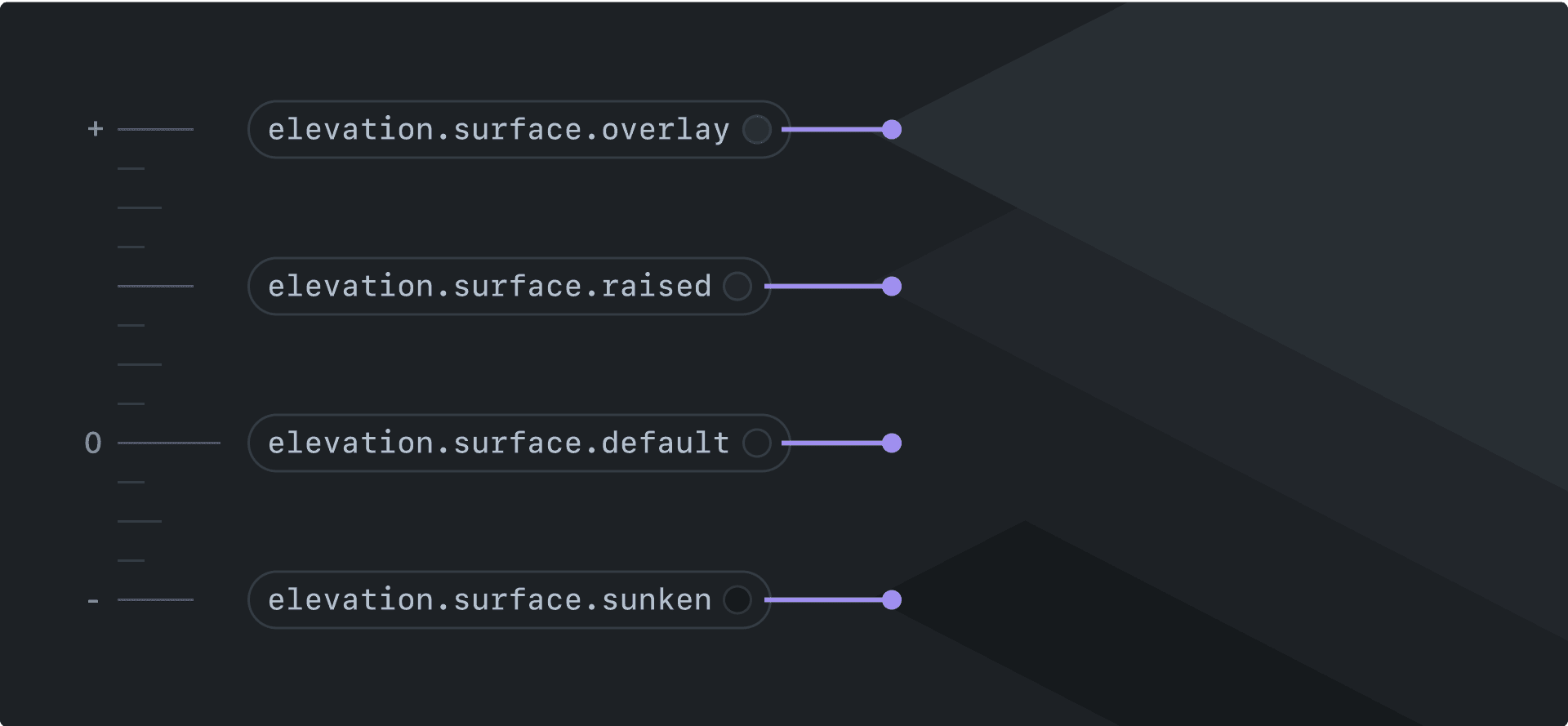
Measurement keeps the standard honest. User completion tells you if the flow works. Support frequency tells you where breakdowns occur. Engineering velocity tells you whether the patterns are strong or fragile. If the data signals friction, you refine the system. If it signals stability, you move forward.
Good design is the absence of unnecessary work. The product behaves the way people expect. The team understands how decisions should be made. The system supports growth instead of resisting it.
The function of good design is straightforward. It reduces cognitive load for the user, removes technical ambiguity for the team, and creates the clarity needed for decisions to hold as the product evolves. When these conditions are in place, the product becomes more predictable, the system becomes easier to maintain, and the work moves forward without friction.
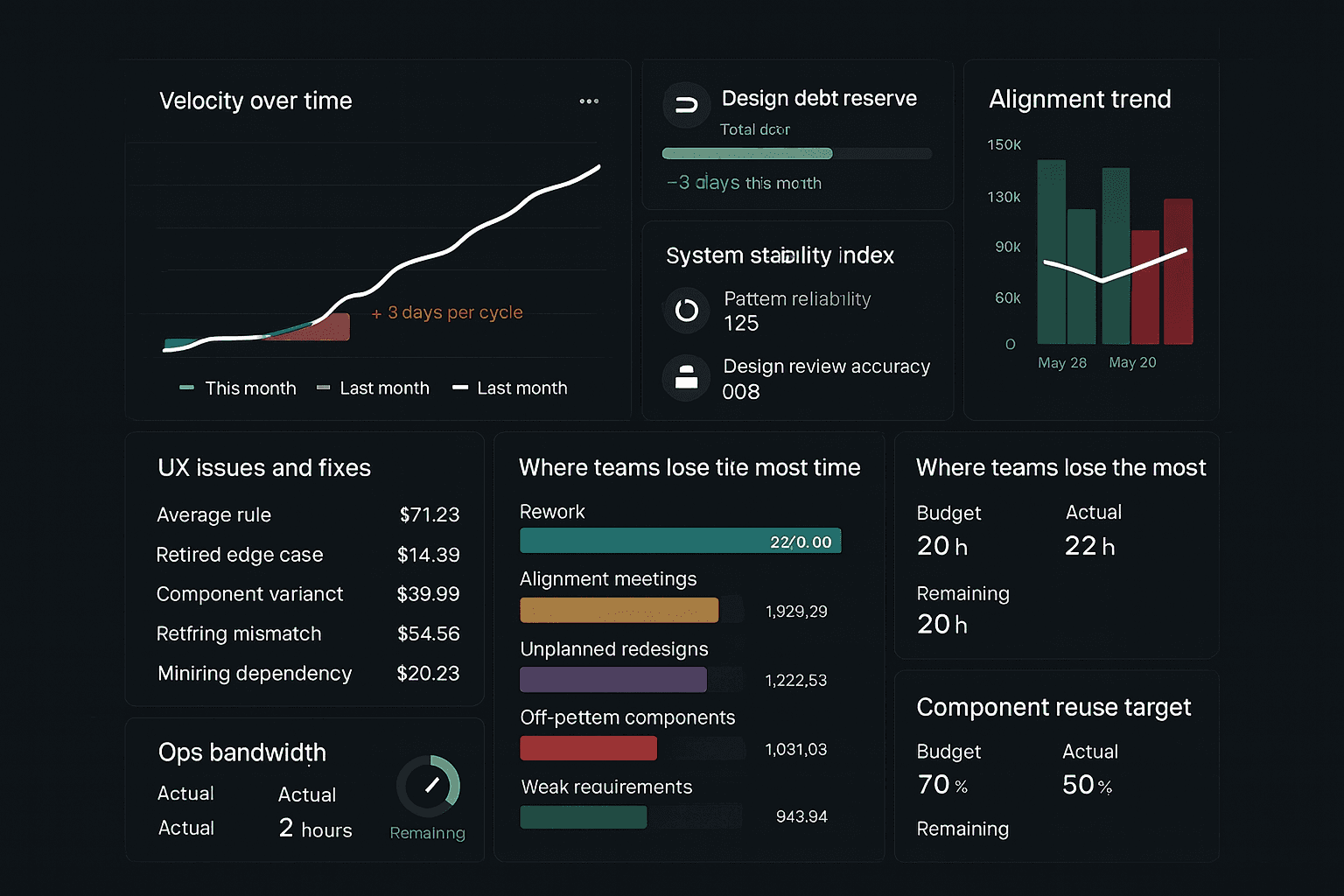





A better system makes everyone’s day less stupid. Clarity pays for itself.
© 2026 StudioXDS. All rights reserved.