Foundations
Philosophy
Good design is clarity. Not control. Not taste. Clarity. The kind that removes friction so people spend their energy on the task, not the interface. When design reduces effort, it earns its role in the system. When it does not, the team has to work around it.
Clarity comes from structure. Patterns that behave the same way. Rules that hold as the product grows. Decisions that compound in one direction instead of scattering. Every pattern teaches the team what the system expects. When those expectations stay consistent, the product becomes easier to use and easier to maintain. When they drift, teams slow down and users hesitate.

How Philosophy Makes Design Work
Design philosophy is not abstract. It is the operating logic that keeps decisions consistent and the product stable. Without it, teams rely on taste, preference, and personal interpretation. That is how products drift. That is how roadmaps slow down.
A clear philosophy removes that drift. It gives the team a way to think about design before any screen is drawn. It turns subjective debate into predictable decisions. It keeps designers, product managers, and engineers aligned because they are working from the same criteria.
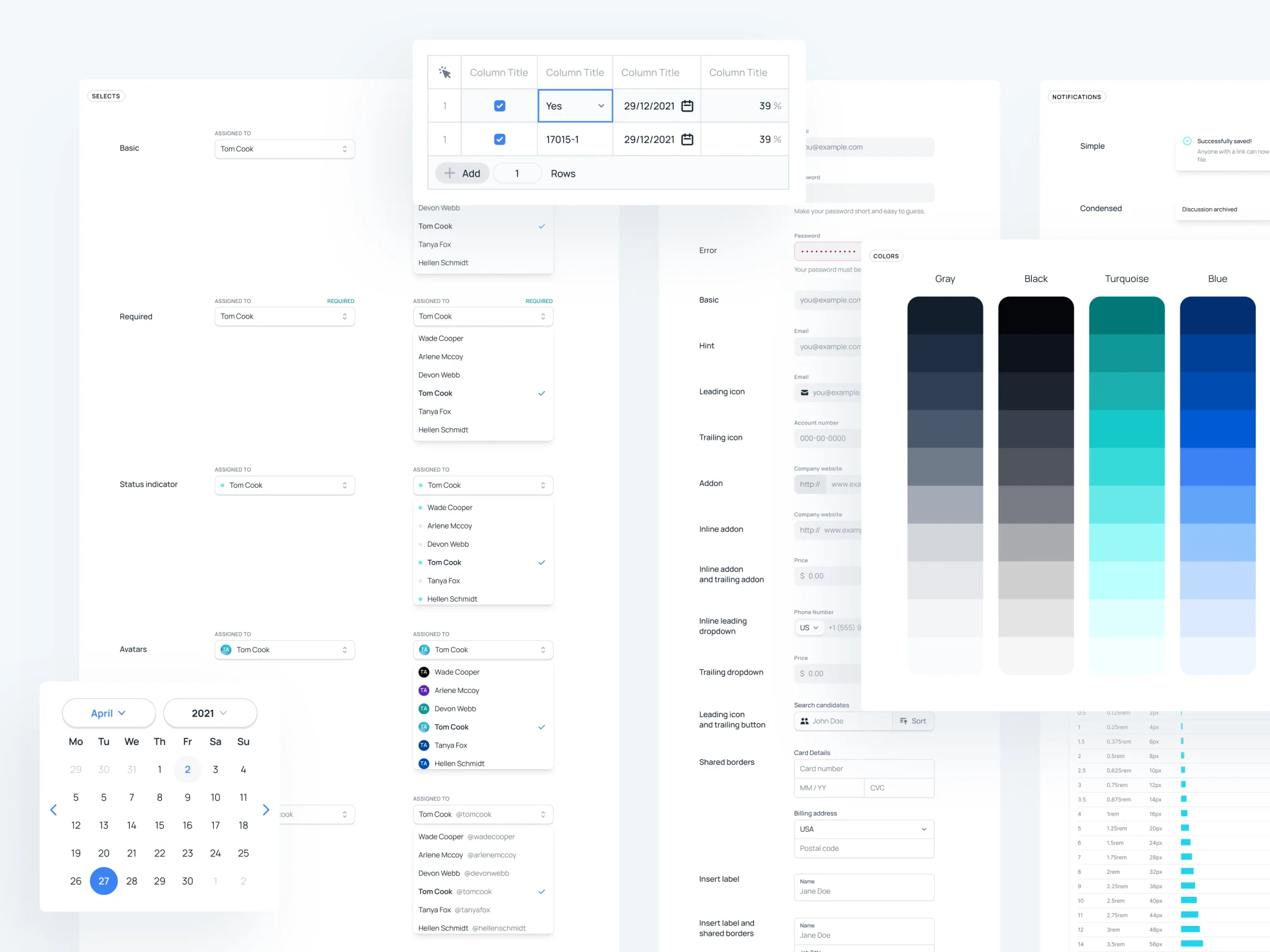
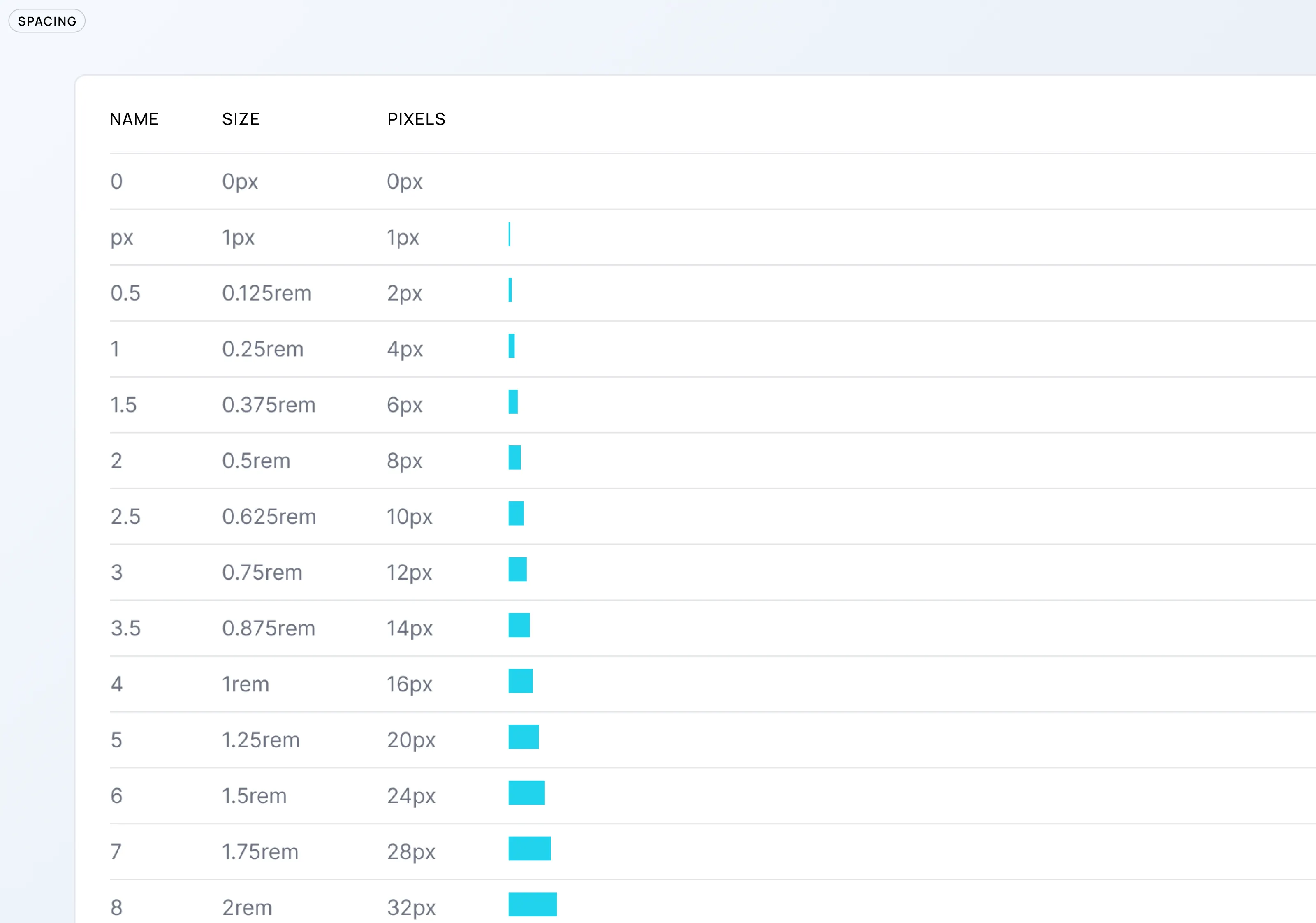
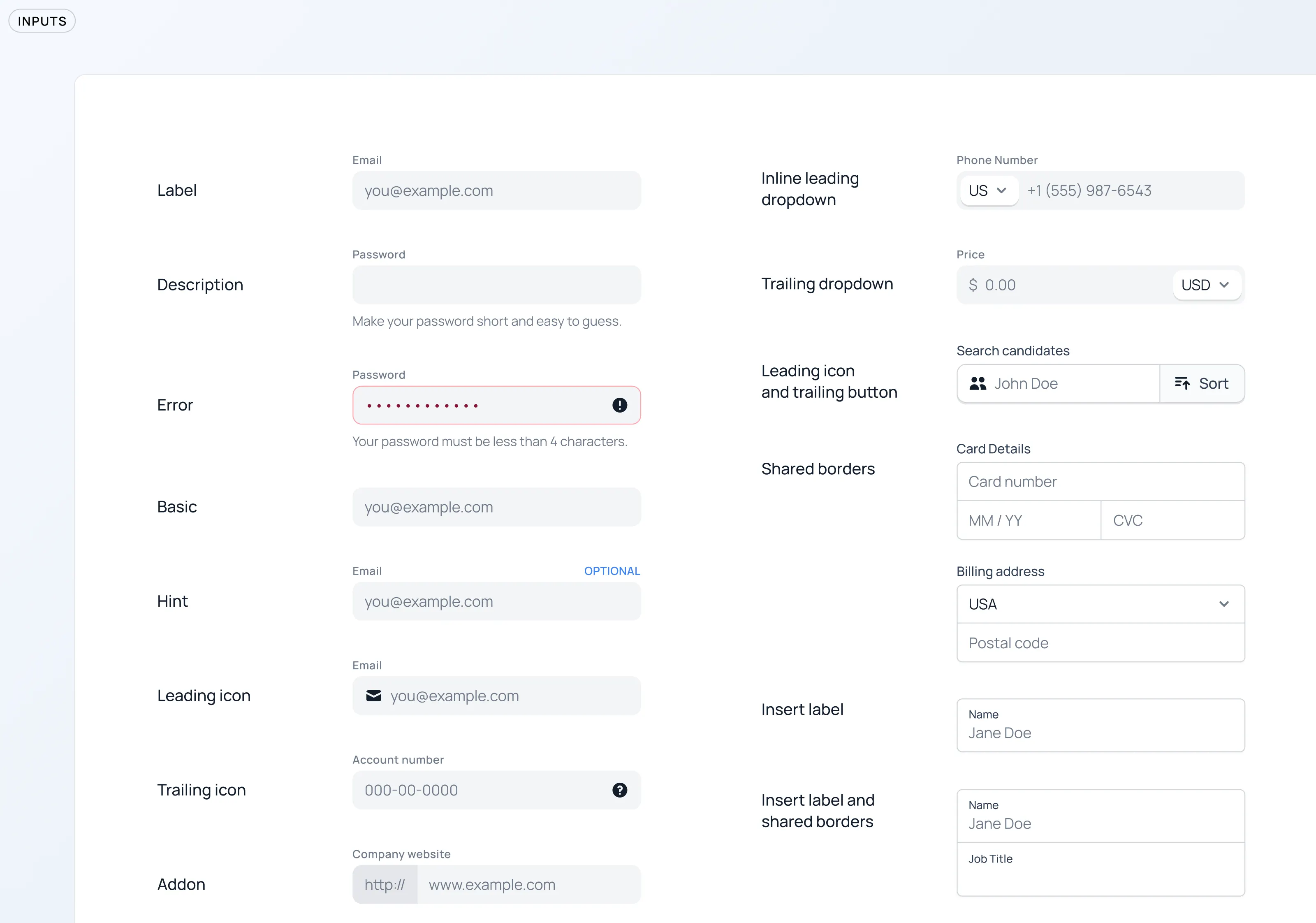
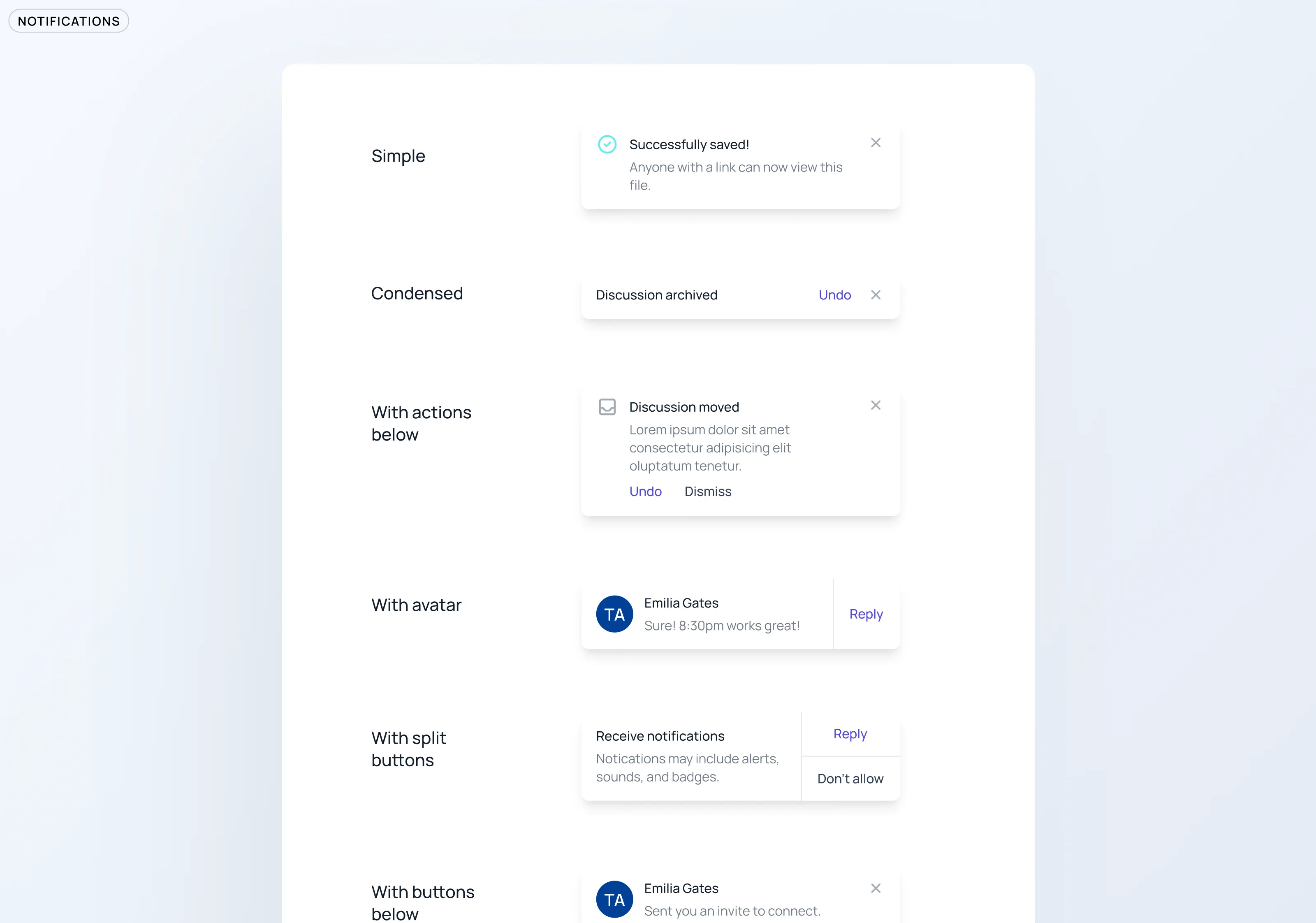
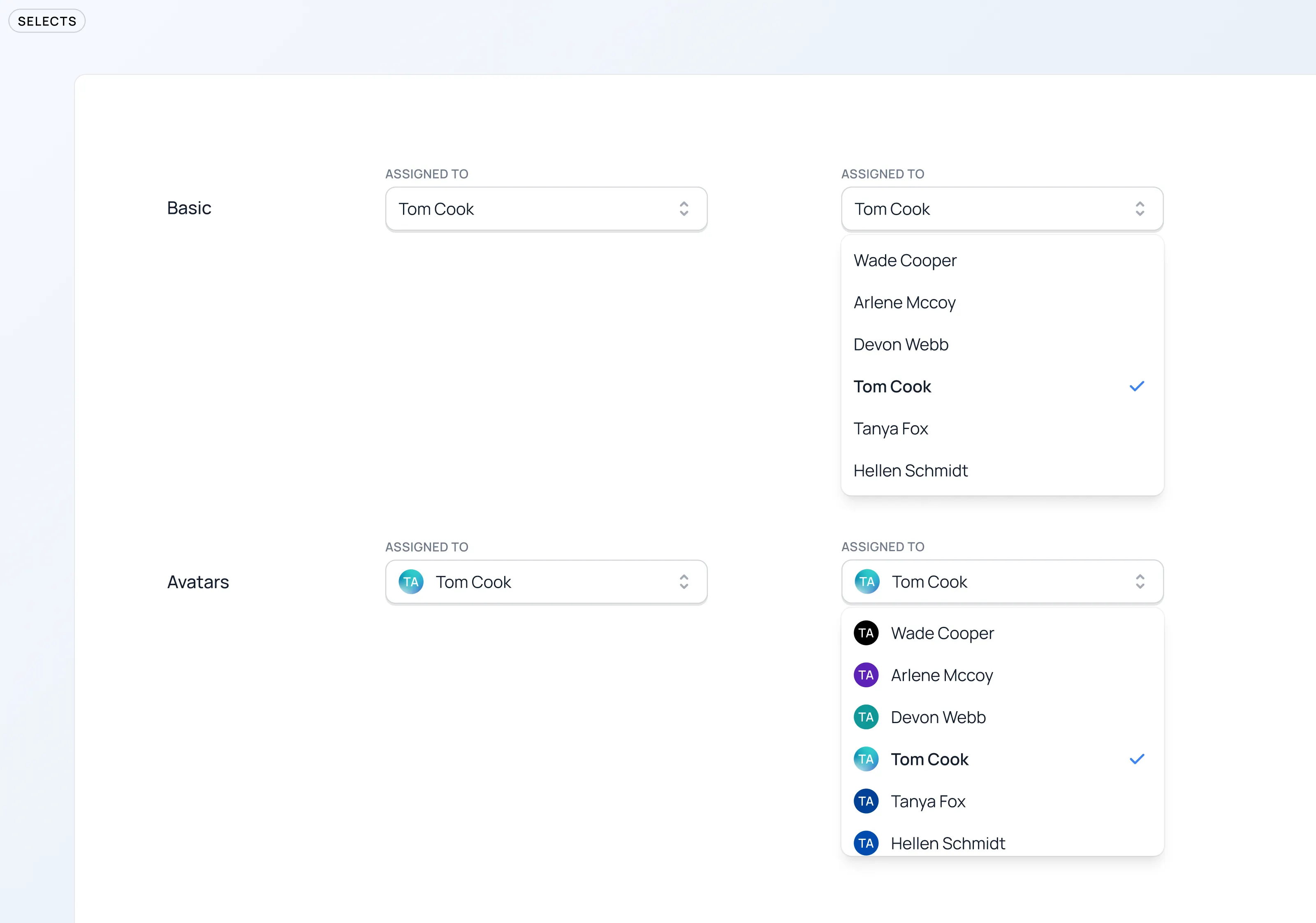
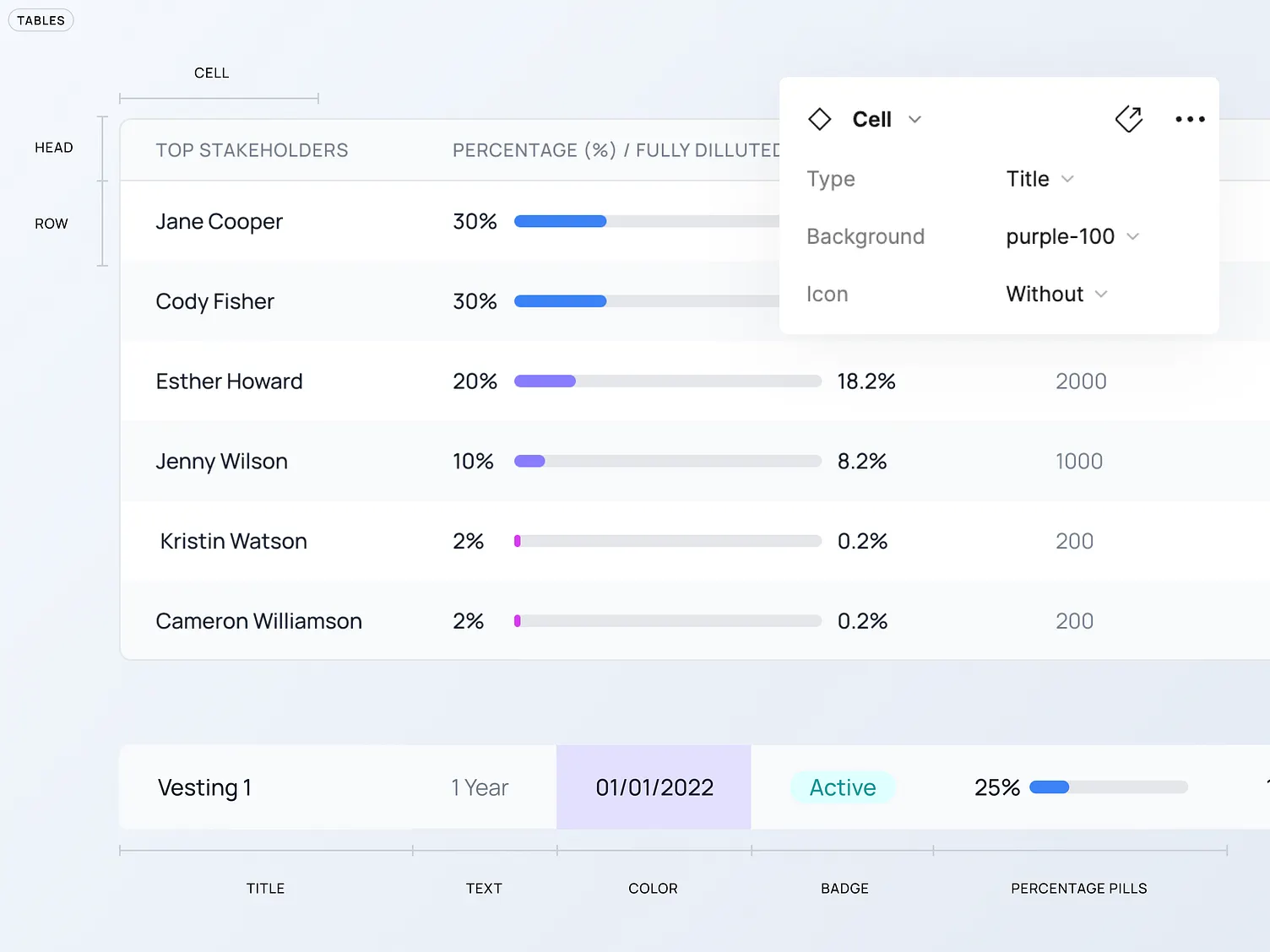
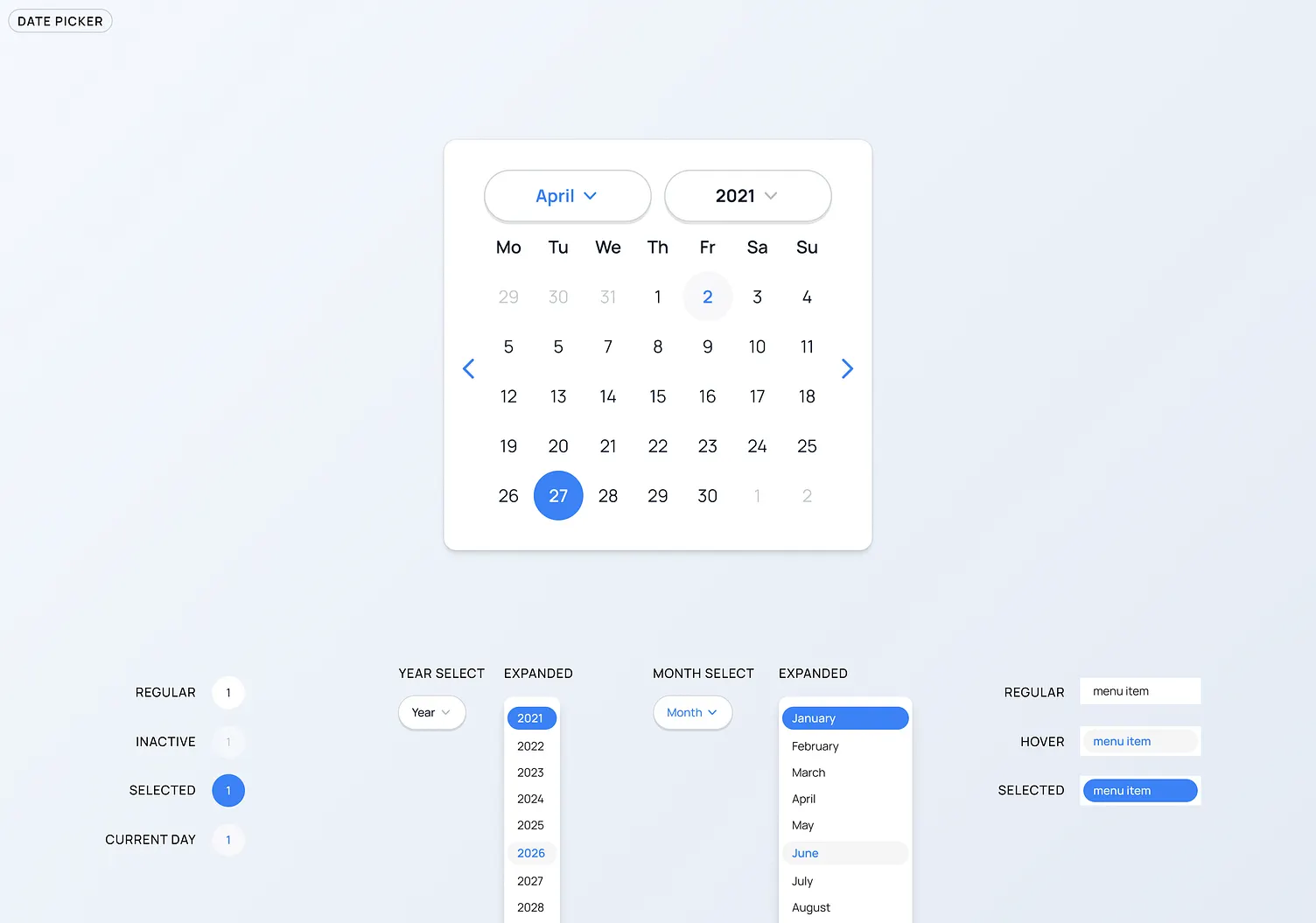
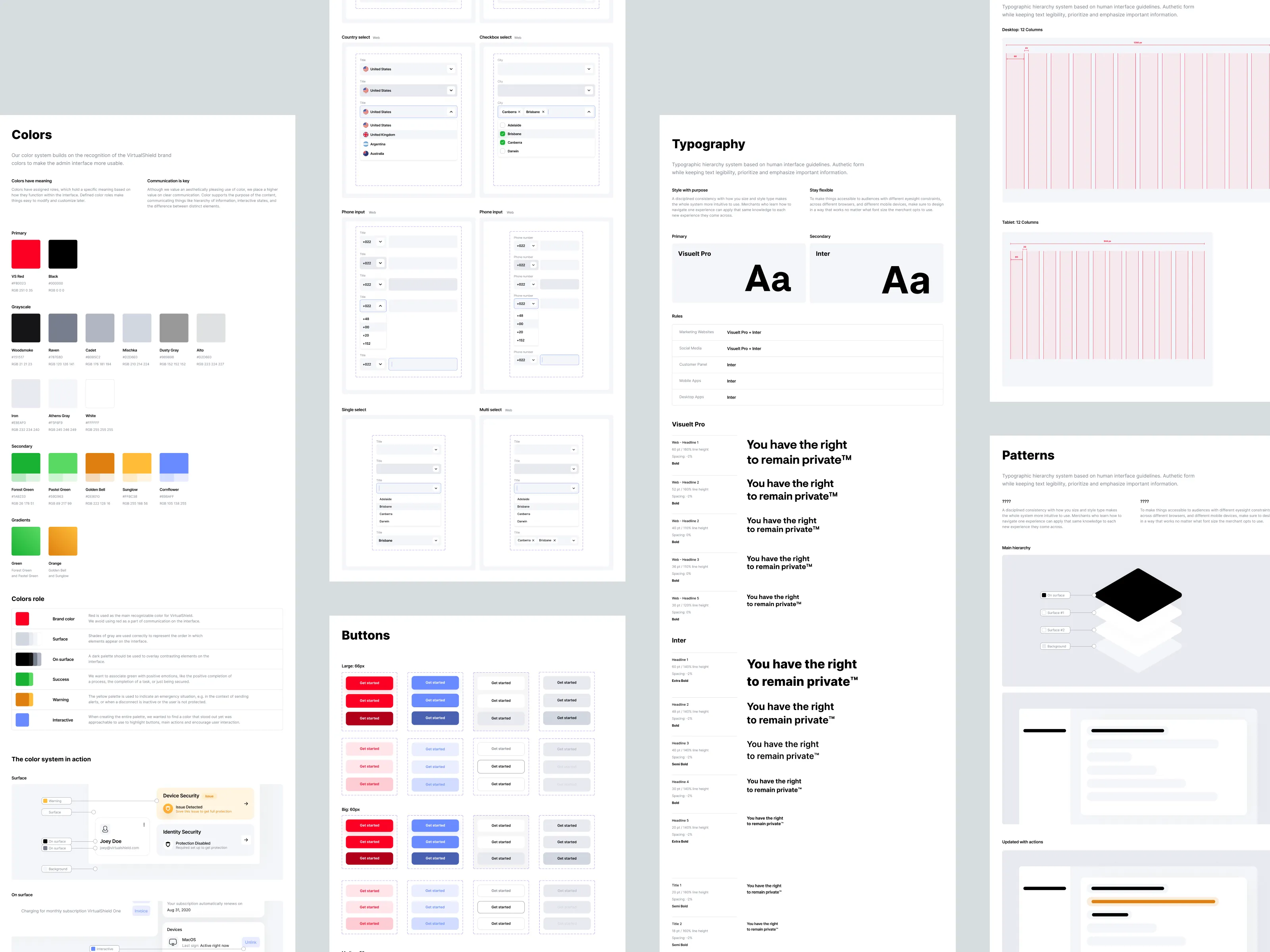
Most products struggle because there is no shared understanding of what good means. Designers chase variation. Engineers compensate with one-off solutions. Product tries to negotiate alignment after the work is already in motion. A philosophy eliminates this pattern by defining expectations early and making every decision accountable to those expectations.
Structure sits at the center of the philosophy. Patterns mean something. Rules exist for a reason. Constraints direct attention to the right problems instead of scattering effort across the surface. Constraints also protect teams from unnecessary creativity. Good design is not invention. It is refinement inside defined boundaries.
This philosophy rejects research and exploration as standard practice. You validate only when there is a business risk or a revenue question that needs clarity. You avoid research when the answer is already known. You do not investigate for the sake of ceremony. You investigate when it protects the roadmap.
Measurement keeps the philosophy accountable. Velocity shows where handoffs slow down. Reuse exposes where patterns fail. Support trends reveal where users struggle. These signals guide what gets reinforced and what gets rebuilt. They keep the philosophy practical instead of abstract.
When the philosophy is strong, teams feel it in the rhythm of the work. Conversations tighten, handoffs land clean, and decisions move with less friction. The product becomes easier to build, easier to maintain, and easier to scale because the logic stays intact. The system compounds instead of scattering.
A design philosophy exists to create stability, keep teams aligned, and give the product a foundation that holds as it grows. When the principles are clear, every decision strengthens the system instead of working against it.





A better system makes everyone’s day less stupid. Clarity pays for itself.
© 2026 StudioXDS. All rights reserved.