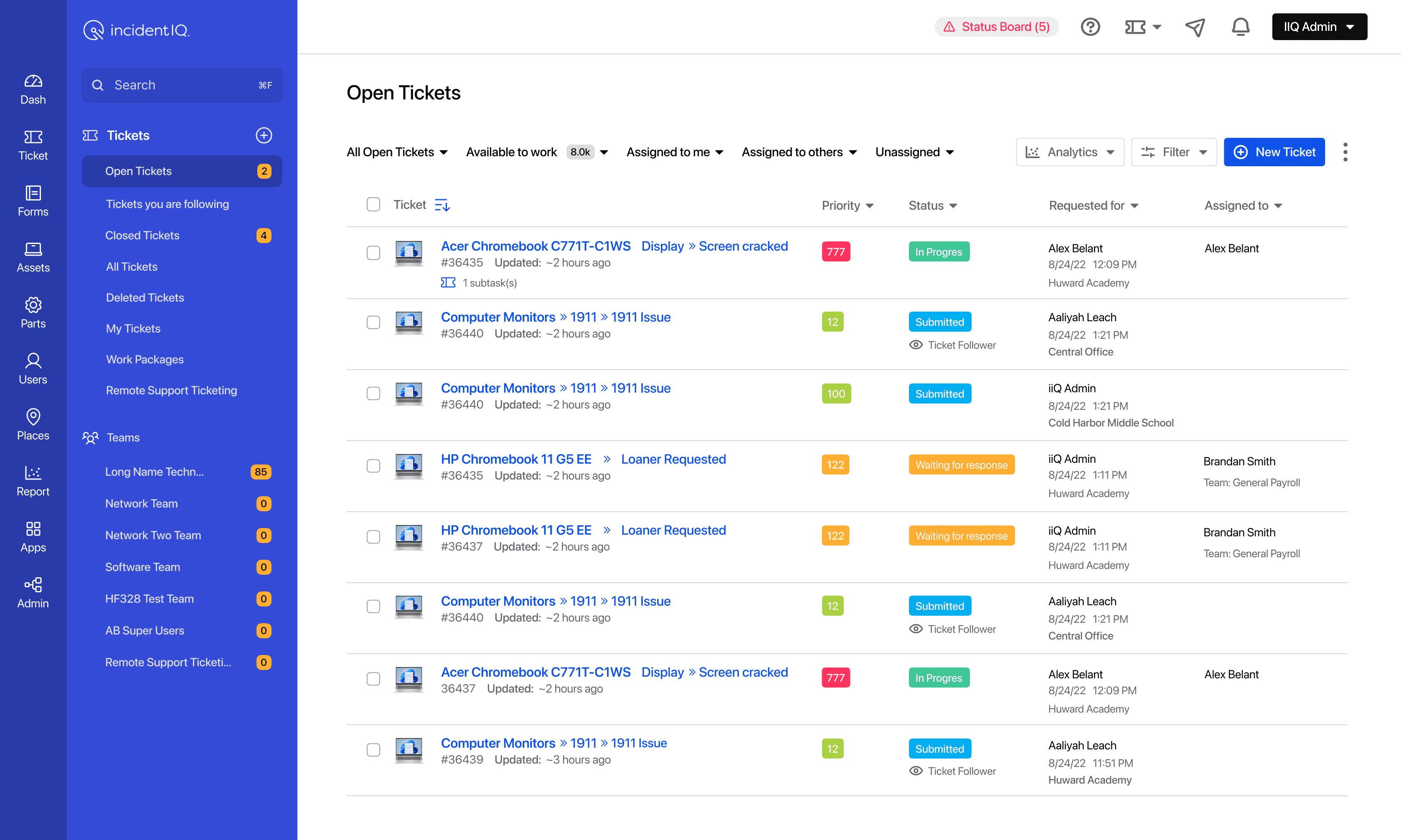
Website
Use case
Highlights
+31% improvement in workflow speed
−35% reduction in rework
+20% increase in component reuse
UX integrated into product and engineering decision-making
Overview
The UX team was delivering strong work, but it had no weight in product decisions.
Leadership could not see how design affected delivery. Without that visibility, UX stayed in a support role.
The goal was to change that.
Understanding the Problem
Design impact existed, but it was not measurable. Without a shared model, it could not influence direction.
UX impact was difficult to quantify
Workflow efficiency was not visible to leadership
Component reuse was not tracked
Rework patterns were hidden
UX was treated as a service function
Decisions followed what could be measured. UX was not part of that system.
Strategic approach
The approach was to connect UX to delivery outcomes.
Building a performance model for UX
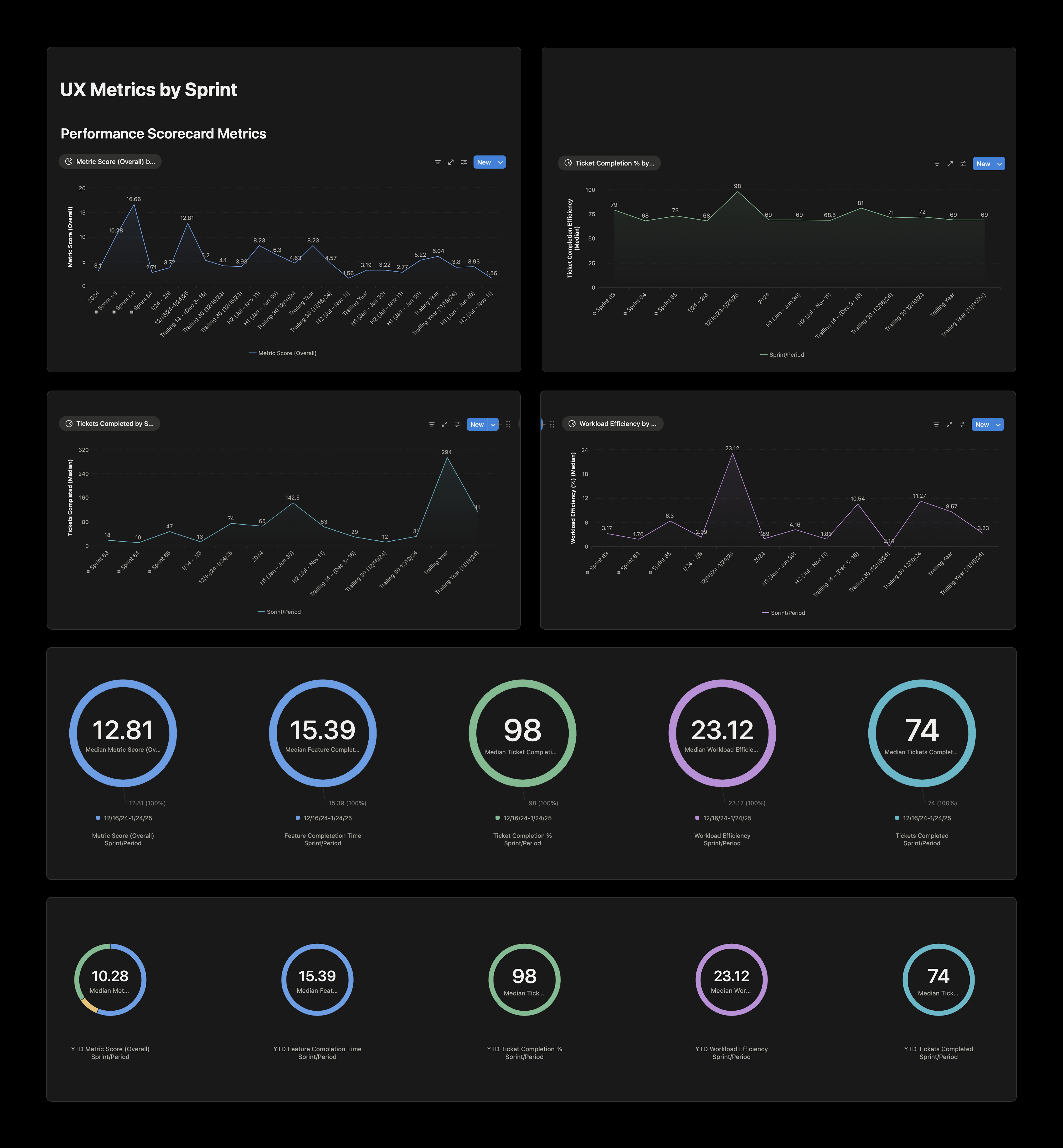
I introduced a UX performance framework tied directly to how the product shipped.
Key metrics were defined around workflow speed, component reuse, rework frequency, system adoption, handoff readiness, and design cycle time.
These metrics translated design work into operational signals. They were brought into product and engineering discussions, aligning UX with existing delivery conversations.
The system made design visible where decisions were made.
Principle: What gets measured shapes product direction.
Key Initiatives
UX performance framework
There was no structure for evaluating UX impact.
What I did
Defined a set of metrics tied to delivery outcomes
Tracked performance across projects and teams
Created a repeatable model for measuring UX over time
What changed
UX work became quantifiable
Leadership could evaluate design alongside engineering
Decisions included design impact
Metric definition and alignment
Existing data was fragmented and not connected to UX.
What I did
Defined metrics such as workflow speed, reuse, rework, and adoption
Added signals like handoff readiness and cycle time
Mapped these to delivery performance
What changed
A shared language across UX, product, and engineering
Clearer understanding of where inefficiencies existed
Better prioritization decisions
Integration into product discussions
UX was not part of decision-making forums.
What I did
Brought UX metrics into product and engineering conversations
Used data to support tradeoffs and prioritization
Aligned UX with delivery goals
What changed
Design influenced product direction
UX became part of how work was evaluated
Stronger alignment across teams
Additional improvements
Increased visibility into design system adoption
Identified and reduced rework patterns
Improved coordination between design and engineering
Strengthened DesignOps foundation
Cross-Functional Collaboration
Partnered with product and engineering leadership to embed UX metrics into existing workflows.
Used shared data to align priorities and drive decisions.
Financial Impact & Business Enablement
UX moved from supporting decisions to shaping them.
The work made it clear where design improved speed, reduced waste, and strengthened delivery. Once visible, it became part of the system.
31% faster workflow speed
35% reduction in rework
20% increase in component reuse
Improved delivery efficiency and reduced wasted effort
Takeaway
Influence comes from visibility. When design is measurable, it drives direction.
Role
Director of UX
Led the creation of a UX performance framework. Connected design work to delivery outcomes, introduced measurable signals, and embedded UX into product and engineering decision-making.
Related Case Studies
Reducing onboarding friction by restructuring how users reach first value.
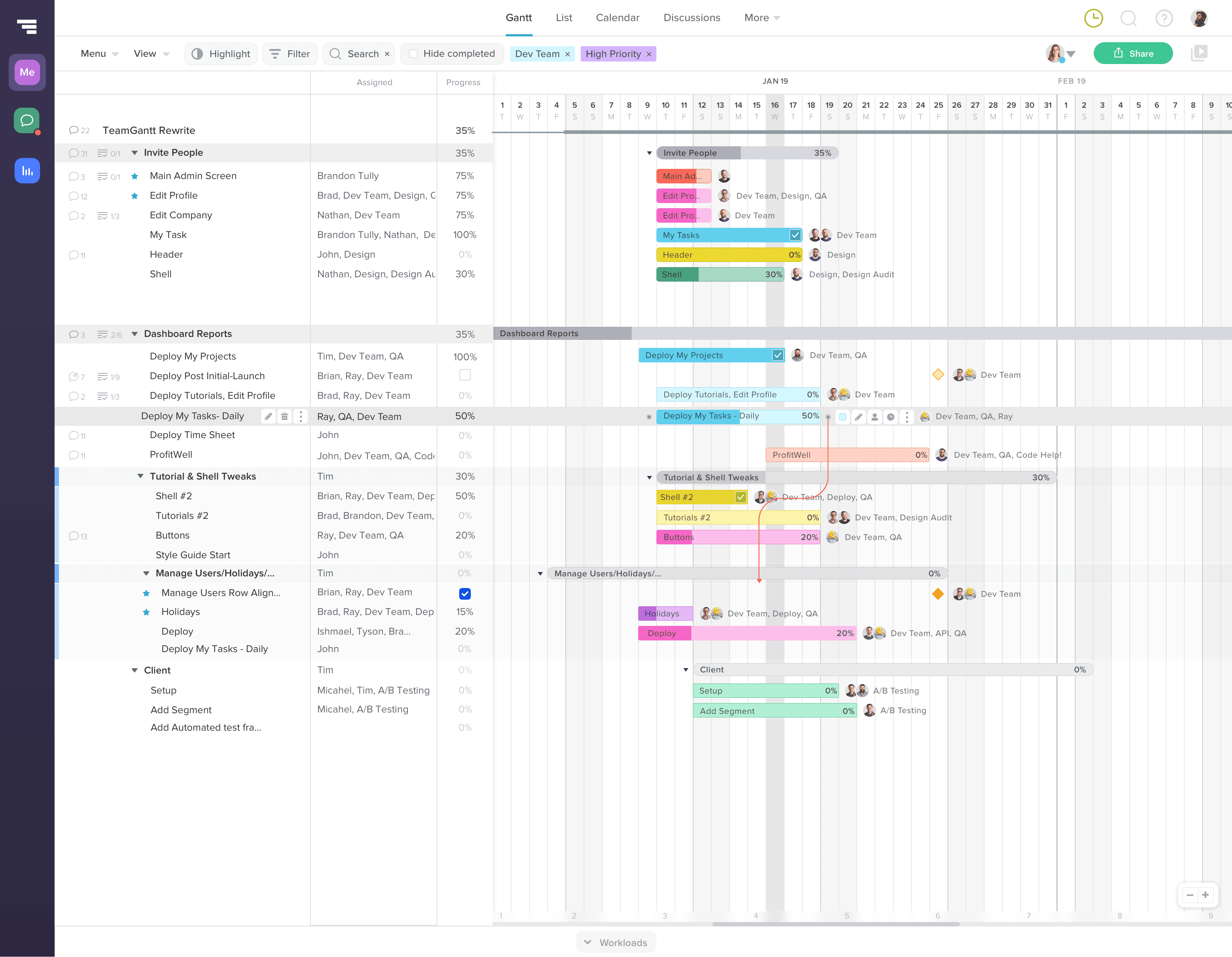
Making dependency behavior predictable in a visual planning system.

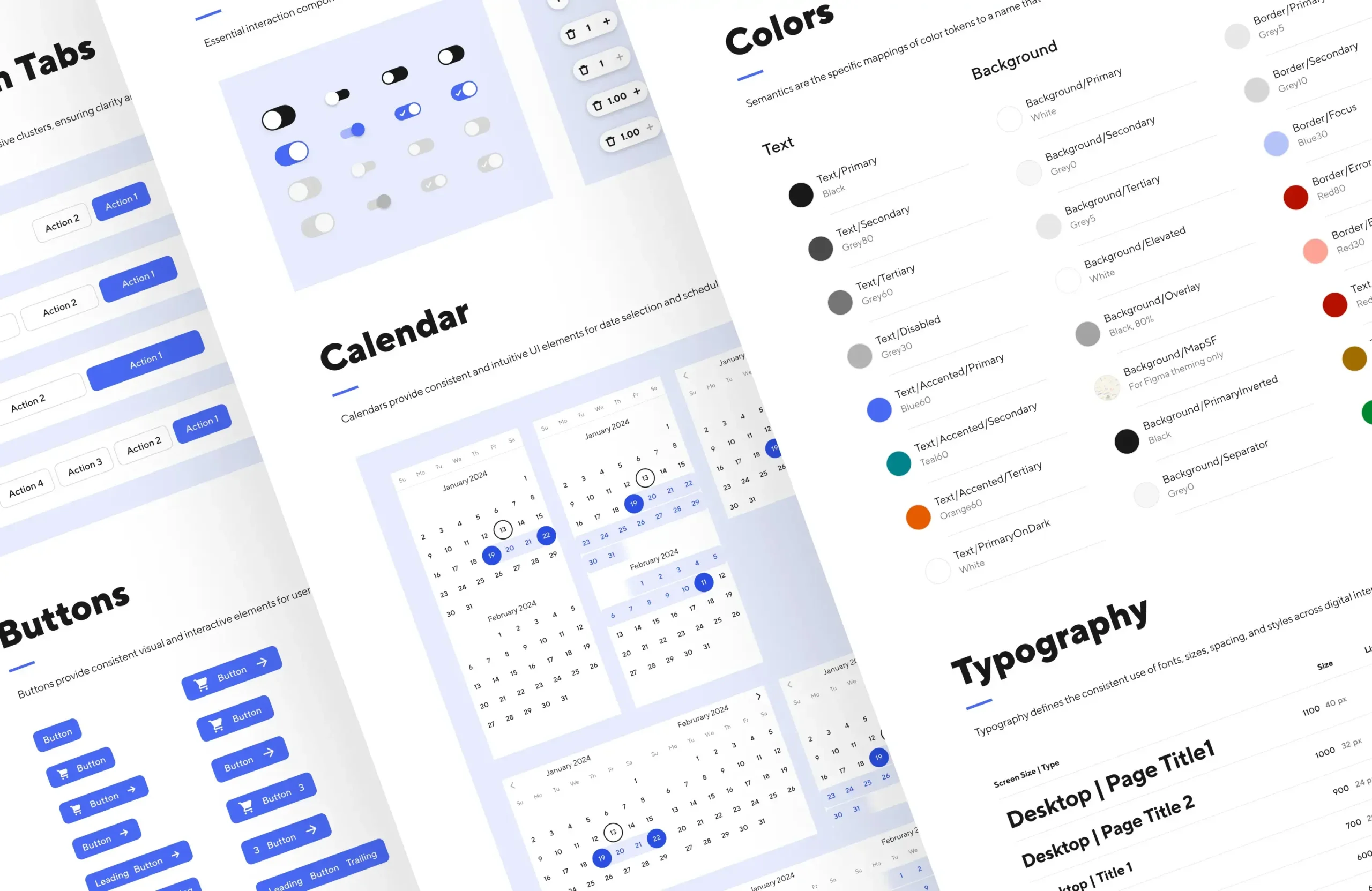
Scaling a product with limited design resources by building systems, not screens.
Lowering early drop off by restructuring how users reach first value.
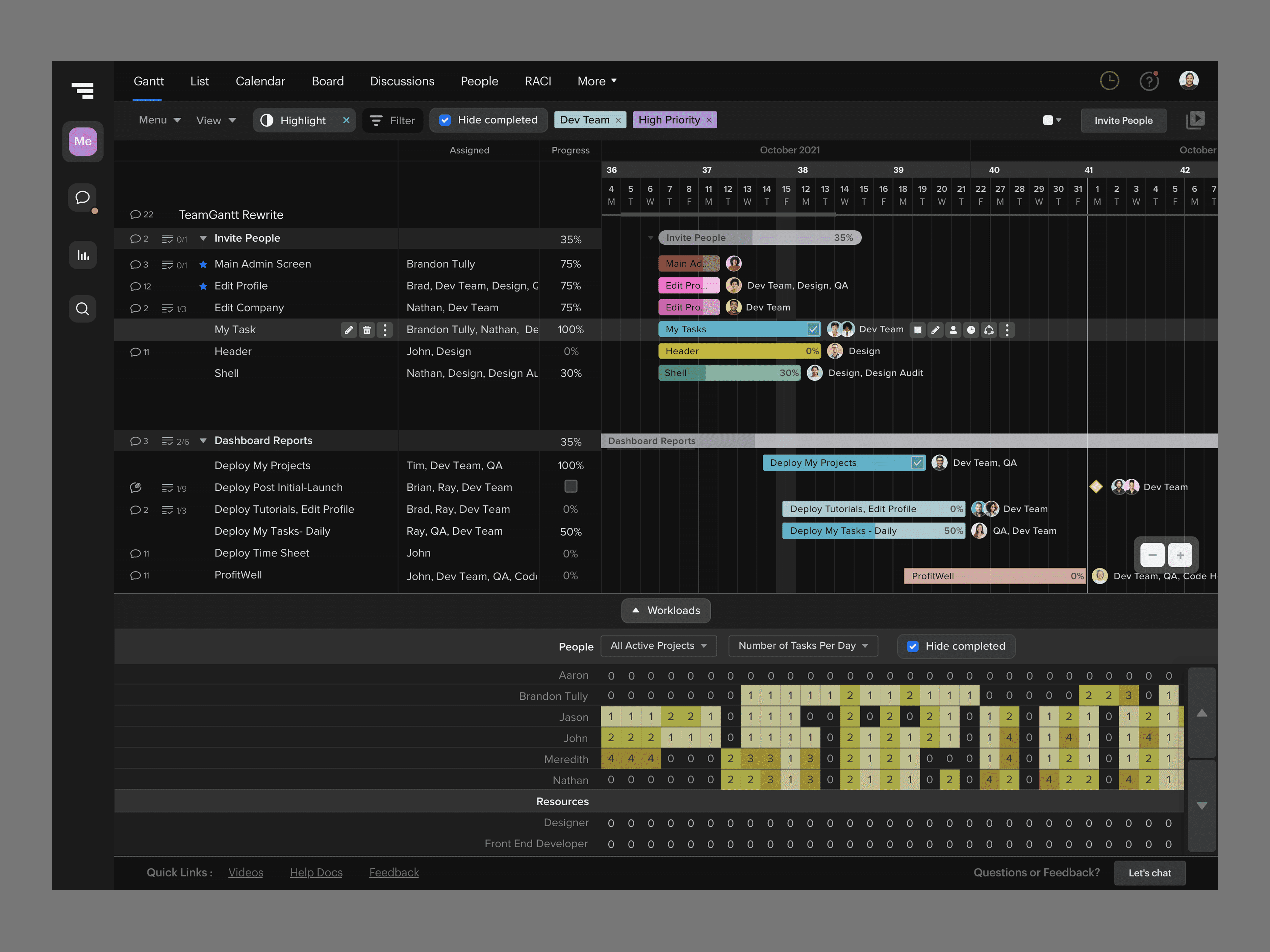
Keep the product focused on the planning model, not expanding features.
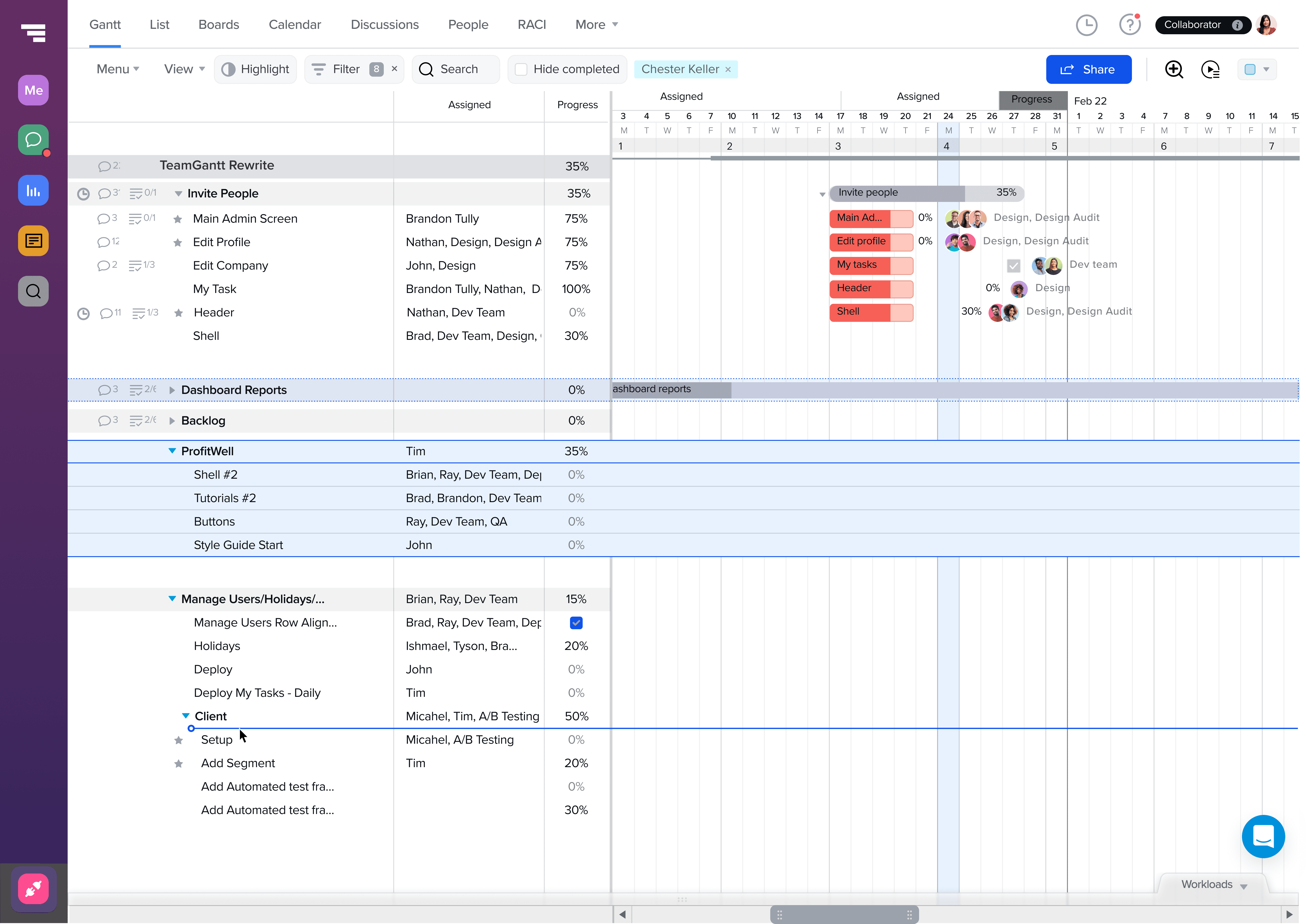
Making product decisions that preserve control and predictability.
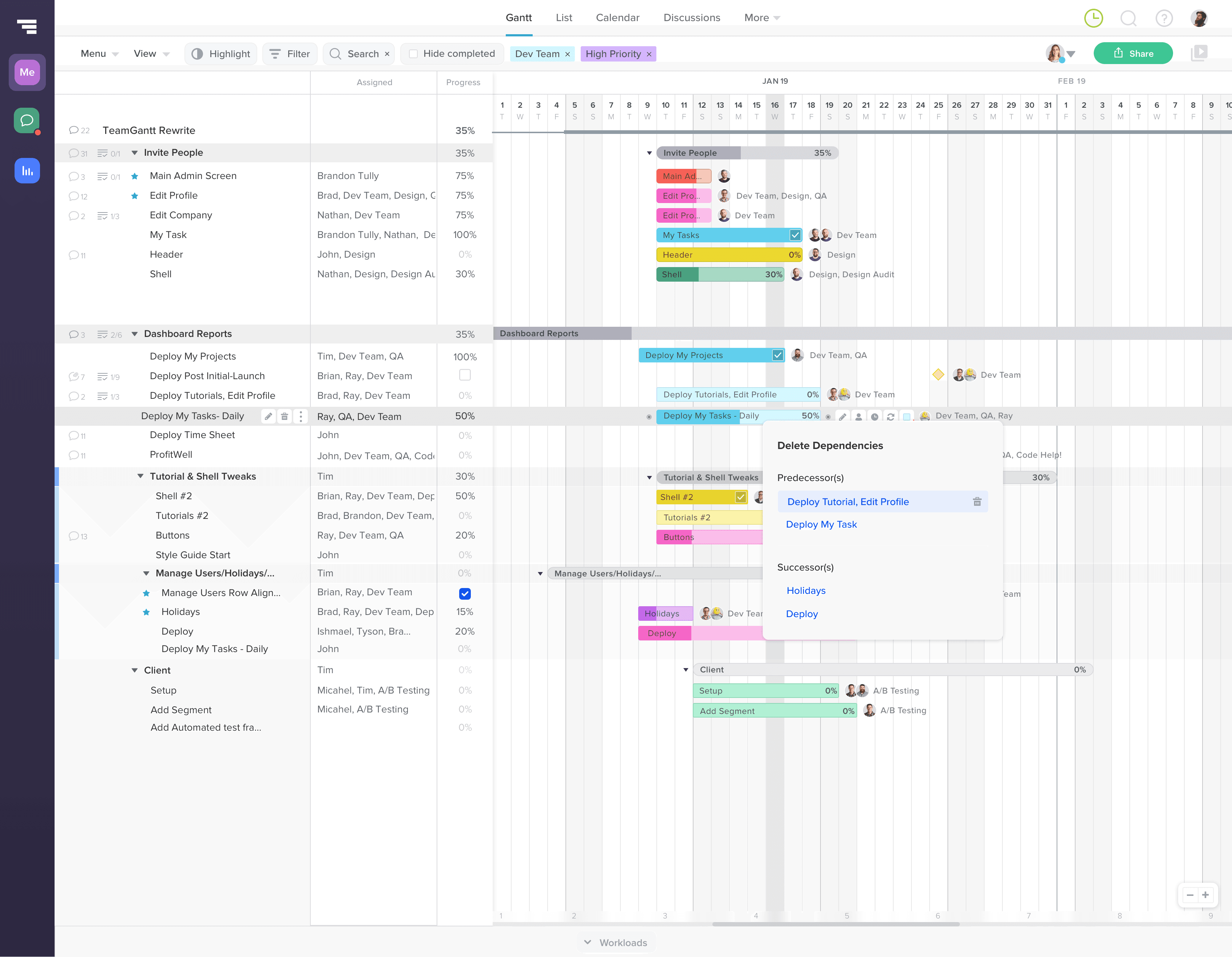
Designing scheduling behavior that feels powerful without becoming unpredictable.
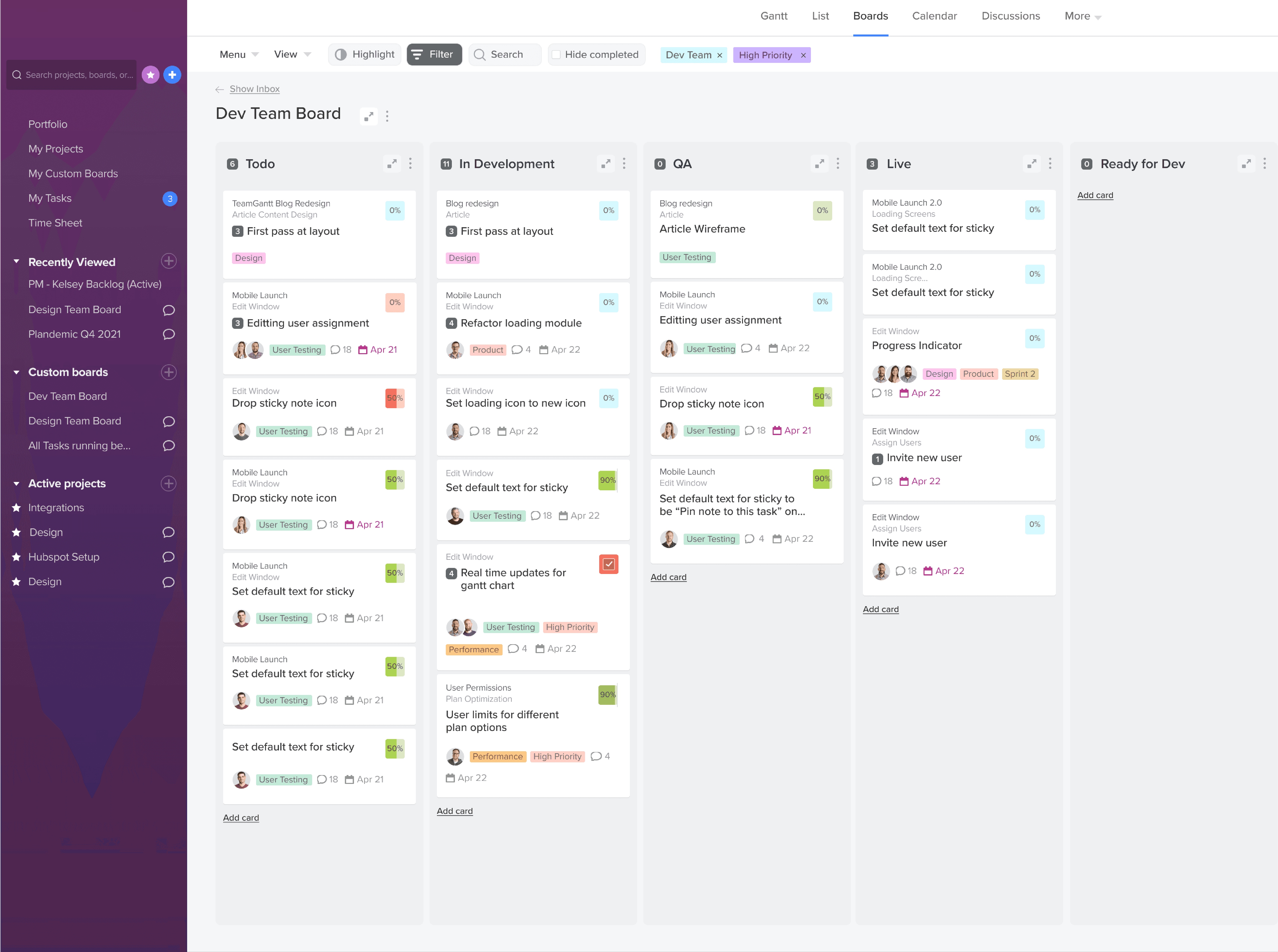
Using direct observation to guide product decisions when analytics are incomplete.
Turning design from a service into a system tied to delivery outcomes.
Driving adoption and executive buy-in through phased, measurable impact.

Turning design into a decision driver by making its impact visible.
Turning fragmented research into a system that guides product decisions.